
The Story of Tuscany’s Olive Oil
Italy is renowned for the high quality of its olive oil, and rightly so. Some of the best comes from Tuscany, with single-estate bottled oil being the most highly prized and the most expensive.
The soil, type of tree, amount of sunshine and the amount of rain that falls during the growing season all play their part in determining the flavour of the oil. A variety of olive trees are grown in Italy, each of which has its own particular characteristics. Most of the olive trees grown in Tuscany are Frantoio, Leccino, Pendolio, Maurino, Moraiolo and Taggiasca.
The best type of soil to plant the trees in is clay or good loamy soil with plenty of drainage. Although olive trees can thrive in difficult conditions, there is no guarantee of a reliable crop each year. It is essential that the trees have good irrigation throughout the growing season to maximise their yield. Olives are produced on the previous year's growth; therefore, annual pruning is essential for maintaining the health of the tree, ensuring an annual crop and encouraging an even fruit set.
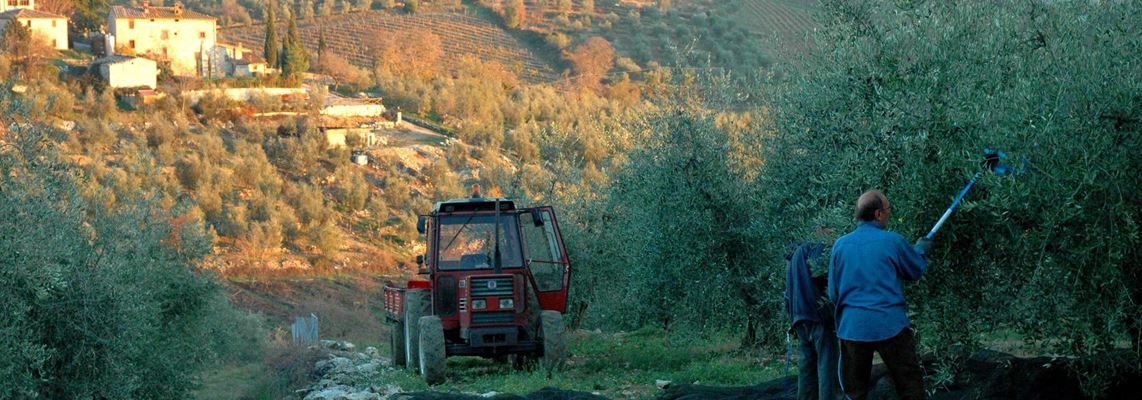
Olives are picked by hand to minimise damage to the fruit and then washed to remove any dirt and dust. Within 24 to 48 hours of being harvested, the olives, including the skin and stones, are crushed into a pulp by a stone mill or metal grinder. This pulp is then pressed using a traditional wooden or modern hydraulic press. This is the first pressing and strict guidelines must be adhered to during this process. In order to label a bottle “first cold pressing”, or in the case of an industrial process “cold extraction”, EU guidelines state that the olives must be pressed at a temperature below 27C.
Perhaps the most skilled part of the process, is deciding when to harvest the olives, because this determines the flavour and taste. Pick too soon or too late and the acidity of the fruit will affect the quality and flavour of the oil detrimentally. Extra-virgin olive oil must have an acidity level of less than 1 per cent. The Italian government has introduced protected designation of origin labels for its olive oils’ DOP. In addition, olive oil from the Chianti region has a special quality-assurance label of denomination of controlled origin DOC.
It is quite normal for an extra-virgin olive oil to have some sediment at the bottom of the bottle; this is because many of the oils are not filtered after pressing to retain maximum flavour. Once bottled, the oil should be stored away from direct sunlight and should not be exposed to extremes of temperature – a cool pantry or cellar is ideal. Once opened, the oil should be used within a year or by the consume-by date on the label– it’s so delicious it is unlikely to last that long anyway.
Olive oil, in particular the pure extra-virgin olive oil, is a powerful antioxidant, containing monounsaturated fats, beneficial fats that help reduce cholesterol levels, good for our hearts and our general wellbeing. Olive oil is also widely used in cosmetics, mixed with essential oils in moisturisers and used in high-quality soaps.
Fancy joining in the olive harvest or witnessing it first hand? Ask when booking where this is possible and we’ll be happy to advise. The harvest takes place on your doorstep, if you stay in a villa at Montebuoni or Montefiorile. We pick the olives growing in and around both of these hamlets, then take them to our neighbours at the vineyard Casanuova di Ama, who have them cold pressed in Volterra, after which the oil is bottled.
The soil, type of tree, amount of sunshine and the amount of rain that falls during the growing season all play their part in determining the flavour of the oil. A variety of olive trees are grown in Italy, each of which has its own particular characteristics. Most of the olive trees grown in Tuscany are Frantoio, Leccino, Pendolio, Maurino, Moraiolo and Taggiasca.
The best type of soil to plant the trees in is clay or good loamy soil with plenty of drainage. Although olive trees can thrive in difficult conditions, there is no guarantee of a reliable crop each year. It is essential that the trees have good irrigation throughout the growing season to maximise their yield. Olives are produced on the previous year's growth; therefore, annual pruning is essential for maintaining the health of the tree, ensuring an annual crop and encouraging an even fruit set.
Olives are picked by hand to minimise damage to the fruit and then washed to remove any dirt and dust. Within 24 to 48 hours of being harvested, the olives, including the skin and stones, are crushed into a pulp by a stone mill or metal grinder. This pulp is then pressed using a traditional wooden or modern hydraulic press. This is the first pressing and strict guidelines must be adhered to during this process. In order to label a bottle “first cold pressing”, or in the case of an industrial process “cold extraction”, EU guidelines state that the olives must be pressed at a temperature below 27C.
Perhaps the most skilled part of the process, is deciding when to harvest the olives, because this determines the flavour and taste. Pick too soon or too late and the acidity of the fruit will affect the quality and flavour of the oil detrimentally. Extra-virgin olive oil must have an acidity level of less than 1 per cent. The Italian government has introduced protected designation of origin labels for its olive oils’ DOP. In addition, olive oil from the Chianti region has a special quality-assurance label of denomination of controlled origin DOC.
It is quite normal for an extra-virgin olive oil to have some sediment at the bottom of the bottle; this is because many of the oils are not filtered after pressing to retain maximum flavour. Once bottled, the oil should be stored away from direct sunlight and should not be exposed to extremes of temperature – a cool pantry or cellar is ideal. Once opened, the oil should be used within a year or by the consume-by date on the label– it’s so delicious it is unlikely to last that long anyway.
Olive oil, in particular the pure extra-virgin olive oil, is a powerful antioxidant, containing monounsaturated fats, beneficial fats that help reduce cholesterol levels, good for our hearts and our general wellbeing. Olive oil is also widely used in cosmetics, mixed with essential oils in moisturisers and used in high-quality soaps.
Fancy joining in the olive harvest or witnessing it first hand? Ask when booking where this is possible and we’ll be happy to advise. The harvest takes place on your doorstep, if you stay in a villa at Montebuoni or Montefiorile. We pick the olives growing in and around both of these hamlets, then take them to our neighbours at the vineyard Casanuova di Ama, who have them cold pressed in Volterra, after which the oil is bottled.
Plan your next villa holiday in Tuscany now
Are you inspired to visit Tuscany and explore a region rich in culture, beauty and history? Explore our complete collection of villas to start planning your Tuscan holiday today.
We are here to help. Reach out to our Villa Specialists for personalised recommendations.
We are here to help. Reach out to our Villa Specialists for personalised recommendations.