
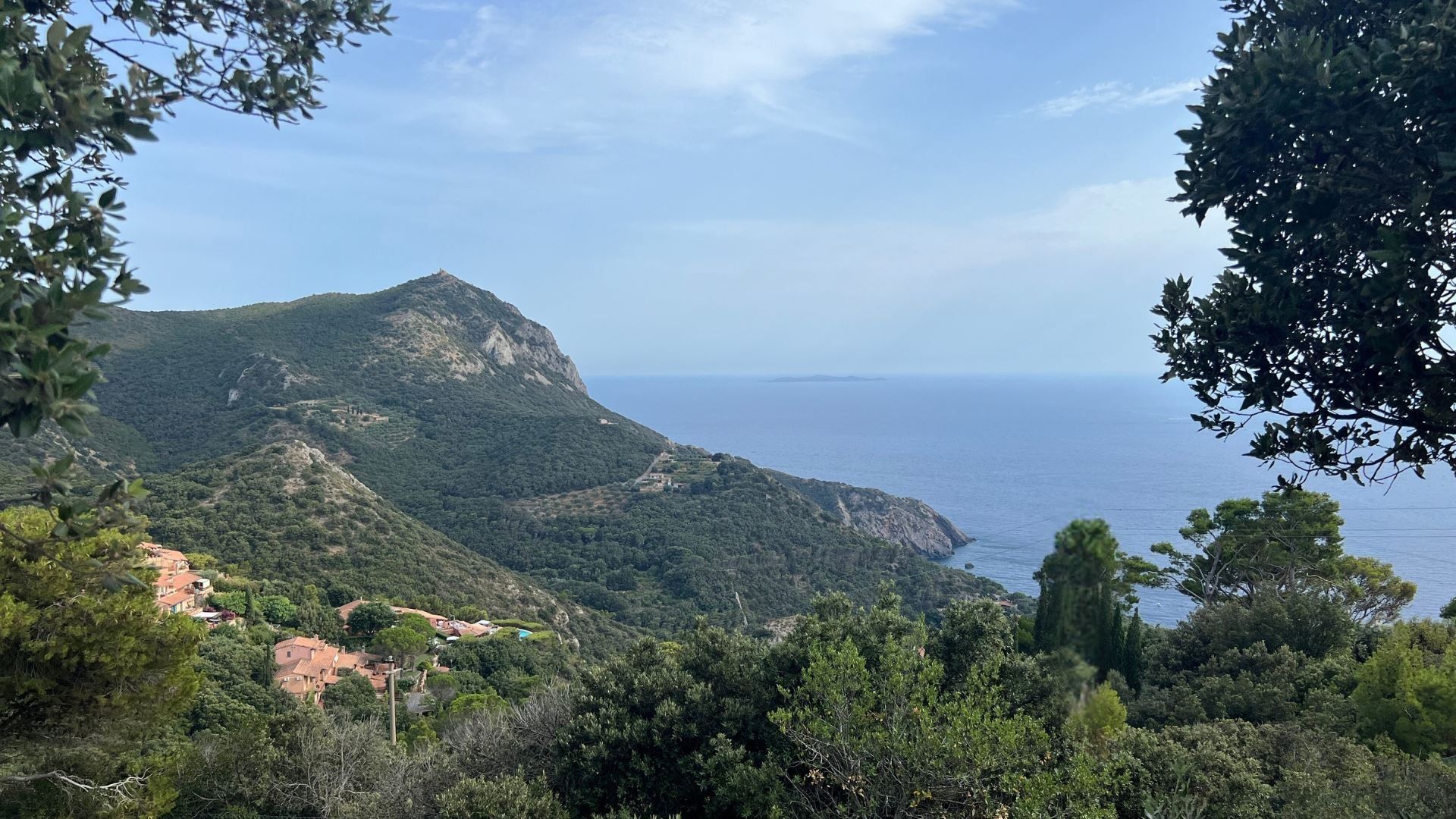
Bearing the same name as its capital city, the Province of Grosseto occupies the complete southern end of Tuscany, making it the most extensive in the region, yet one of Italy's least densely populated provinces. The province, which is often referred to as the Maremma, has 130 km of coastline with beaches, pinewoods and rocky shores. The natural beauty also encompasses an incredible history with many archaeological sites dating back to the Romans.
Why not travel to Tuscany and see why we love it so much! Find your perfect Tuscan villa today and browse our collection near Grosseto.
Contact our Villa Specialist, who can help you find the ultimate Tuscan villa tailored to you.
If you wish to learn more about Grosseto and the Province of Grosseto, continue reading our guide.
The Town of Grosseto
Medicean Walls
The Medicean Walls, which surround Grosseto's historic centre, date back to the 12th century, having been destroyed and rebuilt several times over the city's history. Their current presence is the product of the redevelopment works carried out between 1574 and 1593, commissioned by Grand Duke Francesco I de Medici. The walls were designed by the architect Baldassarre Lanci along a hexagonal perimeter, with corners defended by polygonal-shaped ramparts and guard posts placed at the outermost vertexes of the bastions. It was then in the 19th century that Leopold II had most of the guard posts demolished and transformed the entire wall circuit into a tree-lined promenade for locals and visitors to enjoy still to this day. Visitors can also still find Porta Vecchia, the oldest city gate dating back to the 14th century, that led from Via Aurelia into the historic centre. A walk along the walls offers visitors a glimpse into the city's past while providing a scenic backdrop for strolls and cultural exploration.
Piazza Dante
Piazza Dante is the main public square in Grosseto's historic centre. The square is home to some of the city's oldest attractions, including the impressive Palazzo Aldobrandeschi, the seat of the provincial government of Grosseto and the Cathedral di San Lorenzo, a striking example of medieval architecture. In the centre of the square, you will find the Canapone monument, a sculpture depicting the Grand Duke Leopold II of Lorraine, with a woman representing the afflicted Maremma, standing on a grass snake symbolising malaria, from which the Grand Duke saves Maremma and her children. The square is lined with charming cafes, shops and restaurants, making it the perfect location for those looking to take a break from exploring the city and grab a coffee or something to eat.
Cathedral of San Lorenzo
The Cathedral of San Lorenzo, Grosseto's most important monument, is dedicated to the city's patron saint, San Lorenzo. Constructed at the end of the 13th century by Sozzo di Rustichino who also worked on Siena's cathedral façade, its construction was interrupted by the war between Grosseto and Siena and resumed in 1340.
The cathedral underwent several alterations over the years, most notably to the interior and facade during the 16th century by Sienese architect Anton Maria Lari and again in the 19th century, contributing to its Romanesque style. However, the southern side retains its original frontage, adorned with plant and animal motifs. Inside, light filters through decorated Gothic windows, illuminating sculptures such as the impressive marble baptismal font.
Museo Archaeologico e dell’Arte della Maremma
The Museo Archaeologico e dell'arte della Maremma is a cultural institution dedicated to preserving and exhibiting the region's rich archaeological and artistic heritage. Grosseto had its first museum in 1860, founded by Canon Giovanni Chelli. Over the years, the museum has grown, developed, and moved several times, leading to the choice of its current location. The museum's extensive collection spans from prehistoric times to the Middle Ages, with significant artefacts from the Etruscan and Roman periods, tracing the history of the Maremma up until the modern age. The museum is ideal for those looking to learn more about the history of the Grosseto area, providing a firsthand experience exploring the museum's variety of exhibits.
Where to eat
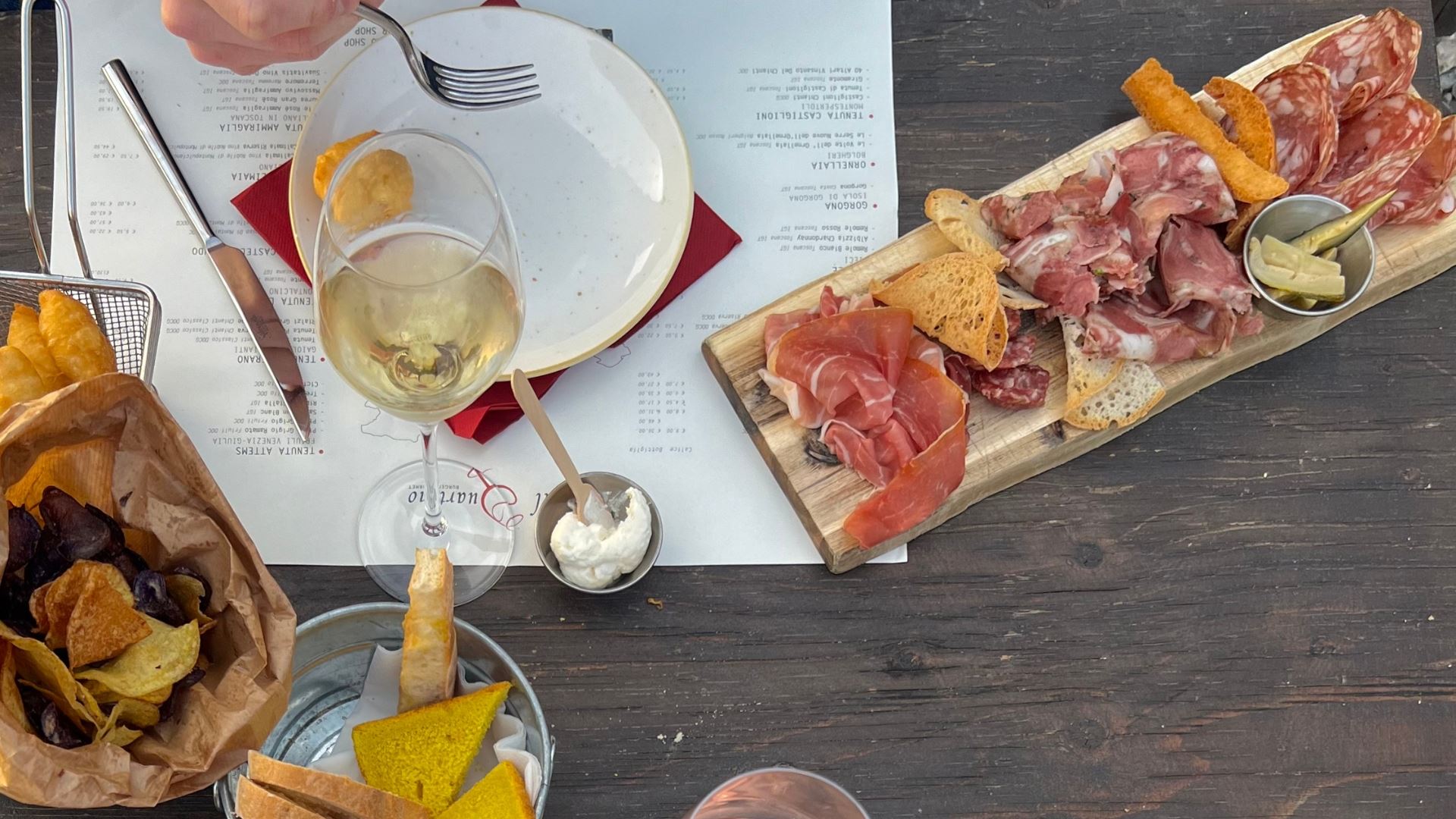
Grosseto offers an array of dining experiences that celebrate locally sourced ingredients. Whether you're seeking a cosy trattoria serving traditional Tuscan dishes or a sophisticated restaurant offering modern interpretations, there is something for everyone. Why not enjoy an aperitivo in Piazza Dante or wander the city's cobbled streets and see which delightful restaurant takes your fancy? It is also the perfect place to indulge in the area's renowned wine, Morellino di Scansano, from the hills surrounding the medieval village of Scansano.
Locanda de' Medici Grosseto
Address: Piazza del Popolo, 5, 58100 Grosseto GR, Italy
Tel: +39 0564 410744
Web: http://www.locandademedici.it/
Al Posto Accanto
Address: Via Carlo Goldoni, 11/13, 58100 Grosseto GR, Italy
Tel: +39 3477 769700
Web: https://m.facebook.com/Al-posto-accanto-1565963780364138/
Trattoria Il Giogo
Address: Via Cesare Battisti, 31, 58100 Grosseto GR, Italy
Tel: +39 331 768 1798
Il Carrettino
Address: Via Bengasi, 7, 58100 Grosseto GR, Italy
Tel: +39 0564 28421
Web: http://www.ilcarrettinogr.it/
L'Etrusco Ristorante
Address: Via dell'Unione, 17, 58100 Grosseto GR, Italy
Tel: +39 328 419 8528
Web: https://www.letruscoristorante.it/
Bistrot 19
Address: Via Carlo Goldoni, 21, 58100 Grosseto GR, Italy
Tel: +3905641936308
Ristoro Da Poldo
Address: Via Amiata, 1, 58100 Grosseto GR, Italy
Tel: +39 0564 383323
Web: https://ristorodapoldo.it/il-menu/
L'Uva e il Malto
Address: Via Giuseppe Mazzini, 165, 58100 Grosseto GR, Italy
Tel: +390564411211
How to get there
Grosseto is easily accessible by both train and car.
Grosseto has a train station with direct connections to Pisa and Rome. The station is only a 15-minute walk from the city's historic centre, making it an ideal option for those without a car.
For visitors driving to Grosseto, there are plenty of parking options around the city. However, it is important to note that the city's historic city centre operates a ZTL system (Limited Traffic Zone), which restricts vehicle access, ensuring the historic city centre remains peaceful and pedestrian friendly.
To learn more about the ZTL system, visit our driving in Tuscany guide.
The Province of Grosseto
Towns to explore
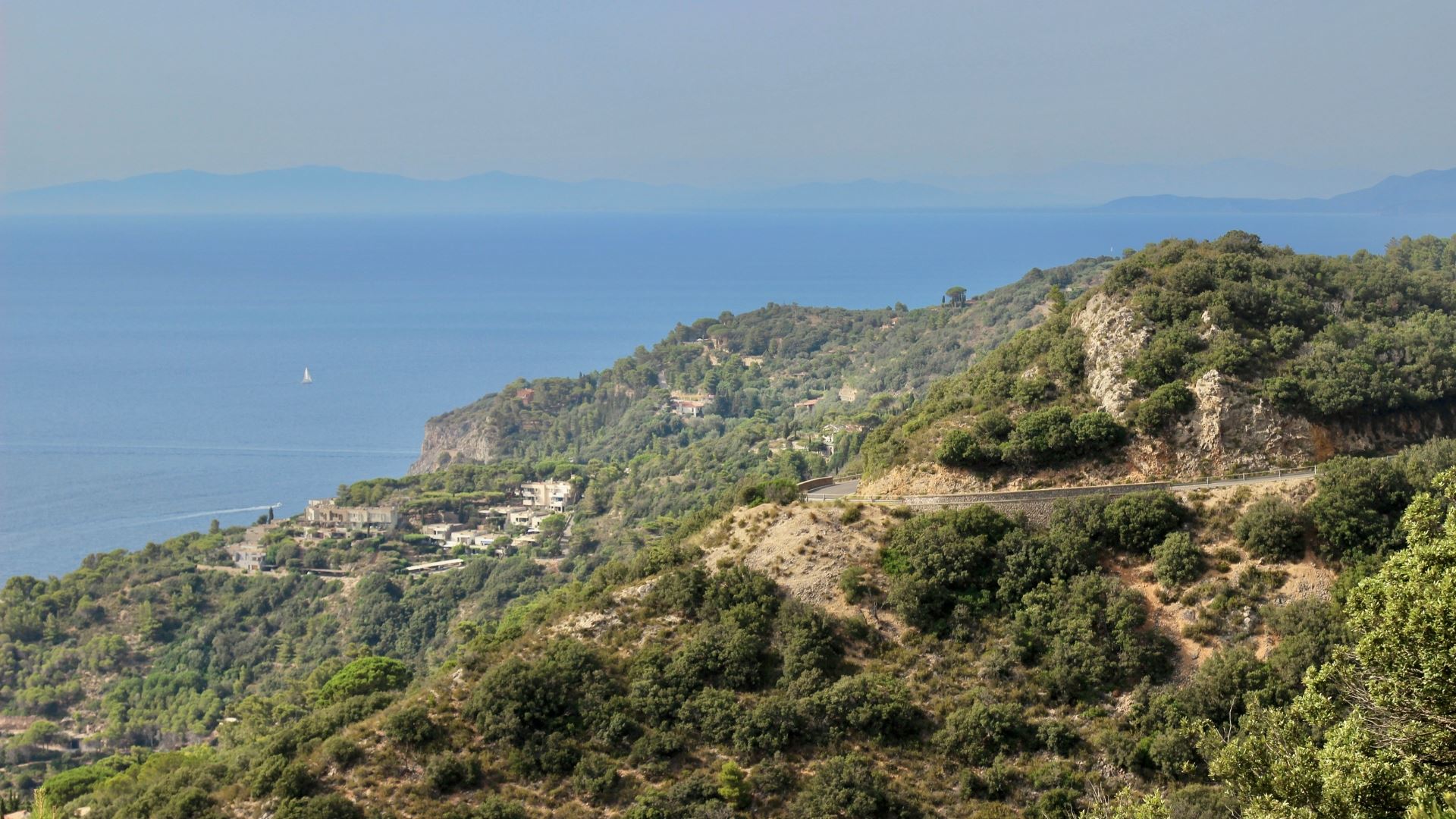
With the province of Grosseto's versatile landscape, visitors can explore different towns and villages, all offering something new to explore. From stunning seaside villages and ports to historic hilltop Etruscan villages, visitors will not be short of places to explore.
Go inland and take a step back in time and visit the famous Sorano and Pitigliano, or stay in the north of the province and visit one of the most scenic coastal towns, Castiglione della Pescaia. Each offers a distinct charm and a glimpse into Tuscany's vibrant history.
Sorano
Sorano is a picturesque town carved into rock, creating its iconic and intriguing landscape. Perched on a cliff, Sorano offers stunning views of the surrounding landscape, with its ancient stone houses, narrow alleys, and impressive fortifications. It's thought that the first inhabitants of Sorano were the Villanovan people, the earliest known Iron Age culture before the Etruscans. Wandering through Sorano is like taking a step back in time. Some of the town's key attractions include Orsini Fortress, Masso Leopoldino and the Vie Cave, ancient Etruscan pathways carved into the tuff rock.
Pitigliano
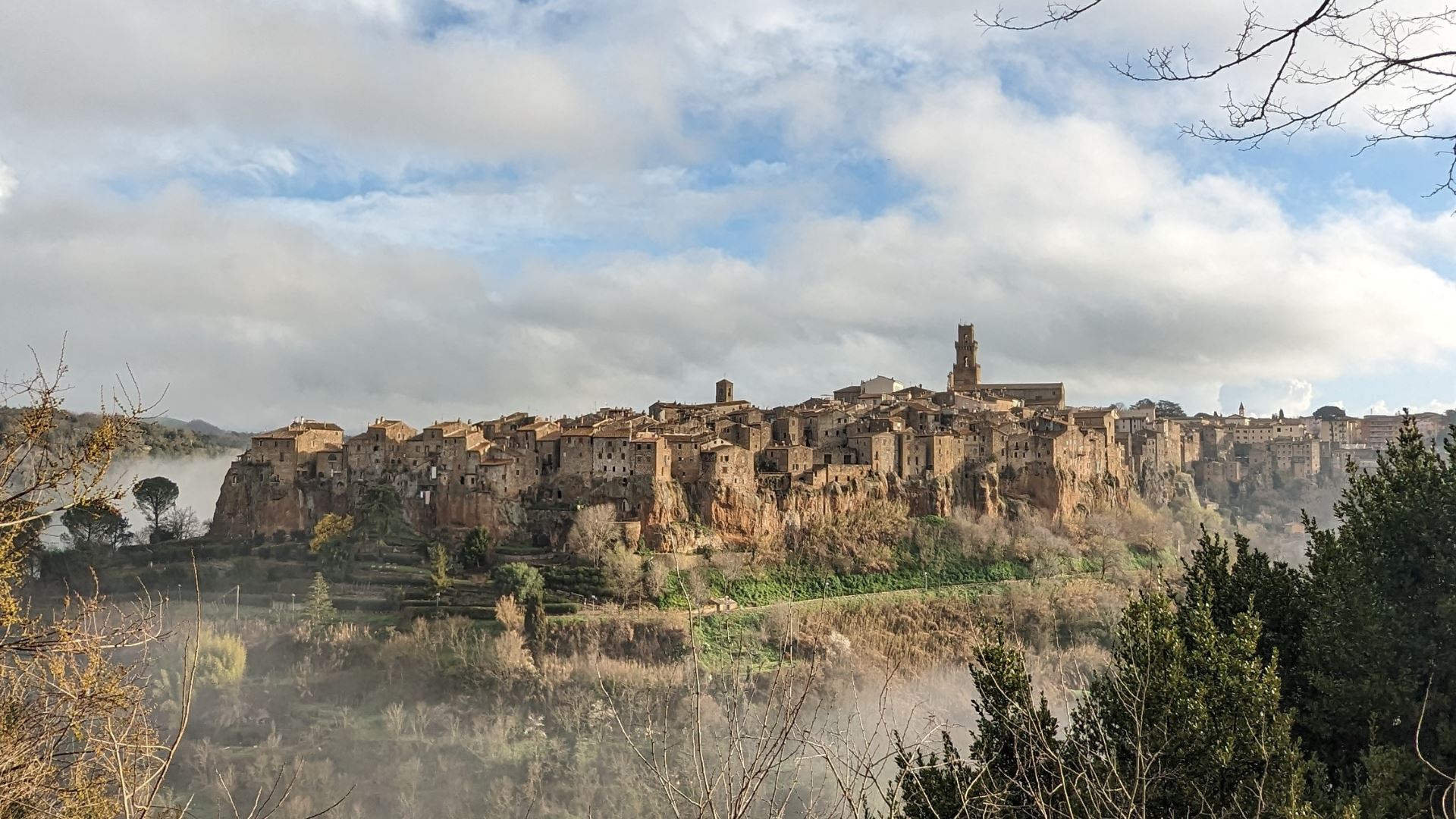
Pitigliano, known as 'Little Jerusalem', is similarly built to Sorano, sitting in the face of a cliff surrounded by green valley's providing panoramic views across the Province of Grosseto. The town is well known for its Jewish community, hence its nickname, with its synagogue built in 1598. Wander the town's narrow cobbled streets, providing a glimpse into the town's unique blend of Etruscan, Roman, and medieval heritage. A trip to Pitigliano would not be complete without a visit to the Orsini Palace. The fortress, dating back to the 12th century, is open to the public, allowing visitors to wander the 21 rooms open to the public filled with frescoes and artefacts, sharing a glimpse into the history of the town and region.
Castiglione della Pescaia
Castiglione della Pescaia is a picturesque coastal town with panoramic views over the Tyrrhenian Sea, including the Isola di Elba and Giglio islands. Once an important fortified settlement during Etruscan and Roman times, its history as a fishing village is still evident, with some boats using the port today. Today, the town is popular with tourists thanks to its pristine beaches, crystal-clear waters, natural parks, and historical sites. Key attractions include the ancient Castello di Castiglione, offering stunning sea views, and the Riserva Naturale Diaccia Botrona, a renowned nature reserve perfect for birdwatching or simply wandering the cobbled streets of the historic centre and enjoying local seafood.
Monte Argentario
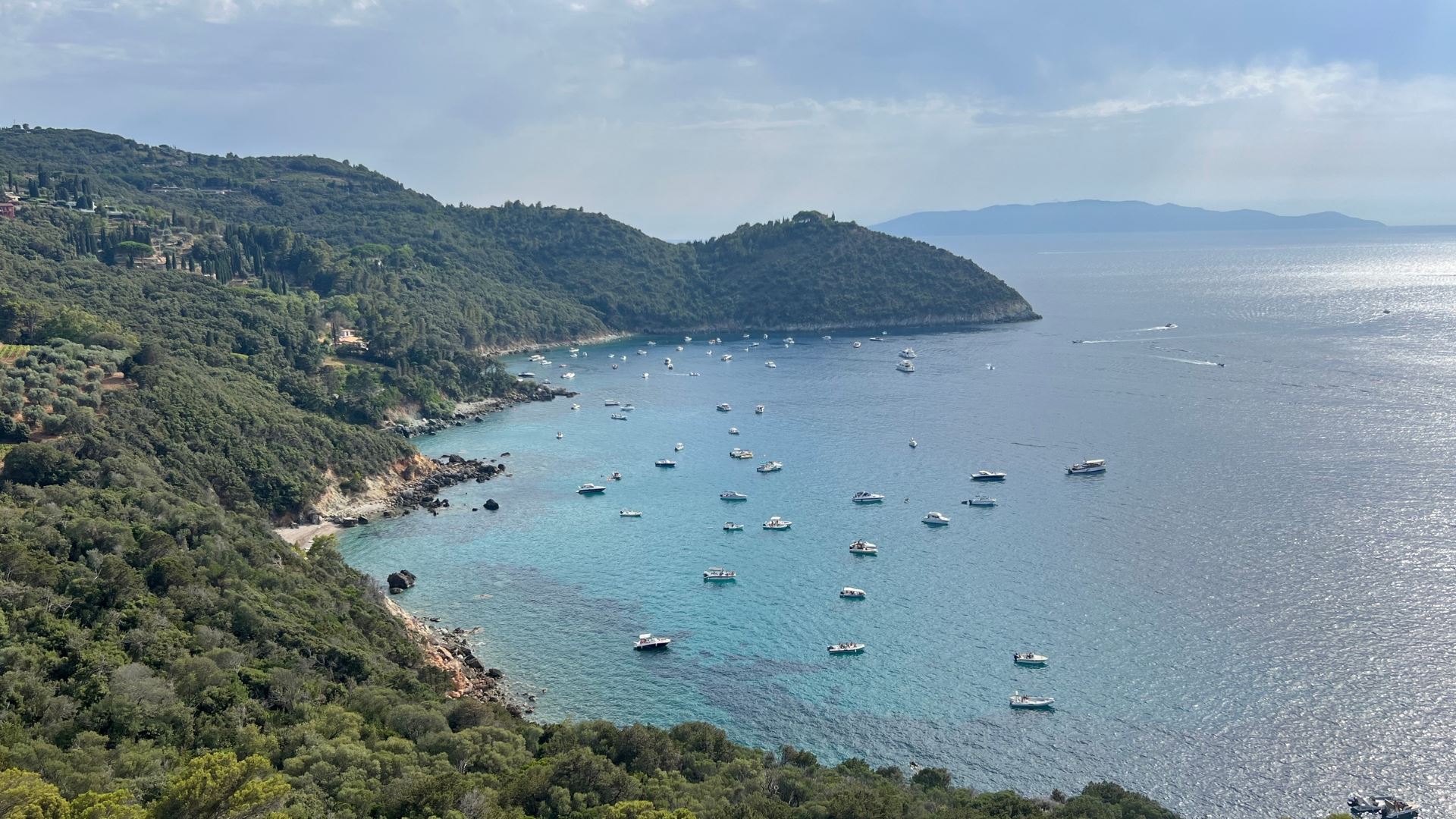
Monte Argentario is a stunning peninsula in the Province of Grosseto. The area is surrounded by the Tyrrhenian Sea and connected to the mainland by three splits of land forming two lagoons, Laguna di Ponente and Laguna di Levante. Monte Argentario's landscape features dramatic cliffs creating a high, rocky coastline, secluded beaches, crystal-clear waters and charming harbour towns. The area boasts a mild climate, which, combined with its marine environment, provides the perfect holiday destination for most of the year. The two main centres on Monte Argentario are the harbour towns of Porto Santo Stefano and Porto Ercole. During the summer visitors can use a shuttle between the two ports.
Porto Santo Stefano
Porto Santo Stefano, a popular seaport town on the western side of Monte Argentario, is known for its scenic surroundings, vibrant marina, fresh seafood, and access to the pristine beaches of the Argentario coast. Its location makes it an ideal starting point for excursions to the nearby Island of Giglio and Island Giannutri, part of the Tuscan archipelago. The town's harbour, divided into old and new ports, is the hub of tourist activity, where luxury yachts and fishing boats dock, and island adventures begin. For a great viewpoint and to learn more about the area's history visitors can visit the Spanish Fortress a 17th-century military construction offering two permanent exhibitions.
Porto Ercole
Porto Ercole is a historic fishing village with roots dating back to the Etruscan era, lying on the eastern side of Monte Argentario. The town's historical importance is still evident today thanks to its well-preserved Spanish fortresses, Forte Stella and Forte Fillipo. Today, Porto Ercole has become popular with tourists and locals thanks to its exclusive hotel scene, scenic beauty and vibrant marina. However, Porto Ercole remains true to its history, preserving its ancient architecture and food culture. A visit to the seaside town promises the perfect combination of rich history, stunning views of the Tyrrhenian Sea, and a relaxed Tuscan atmosphere, providing an authentic yet upscale Italian coastal experience.
Why we love Grosseto
~ Anja, Villa Specialist
Villas in the Province of Grosseto
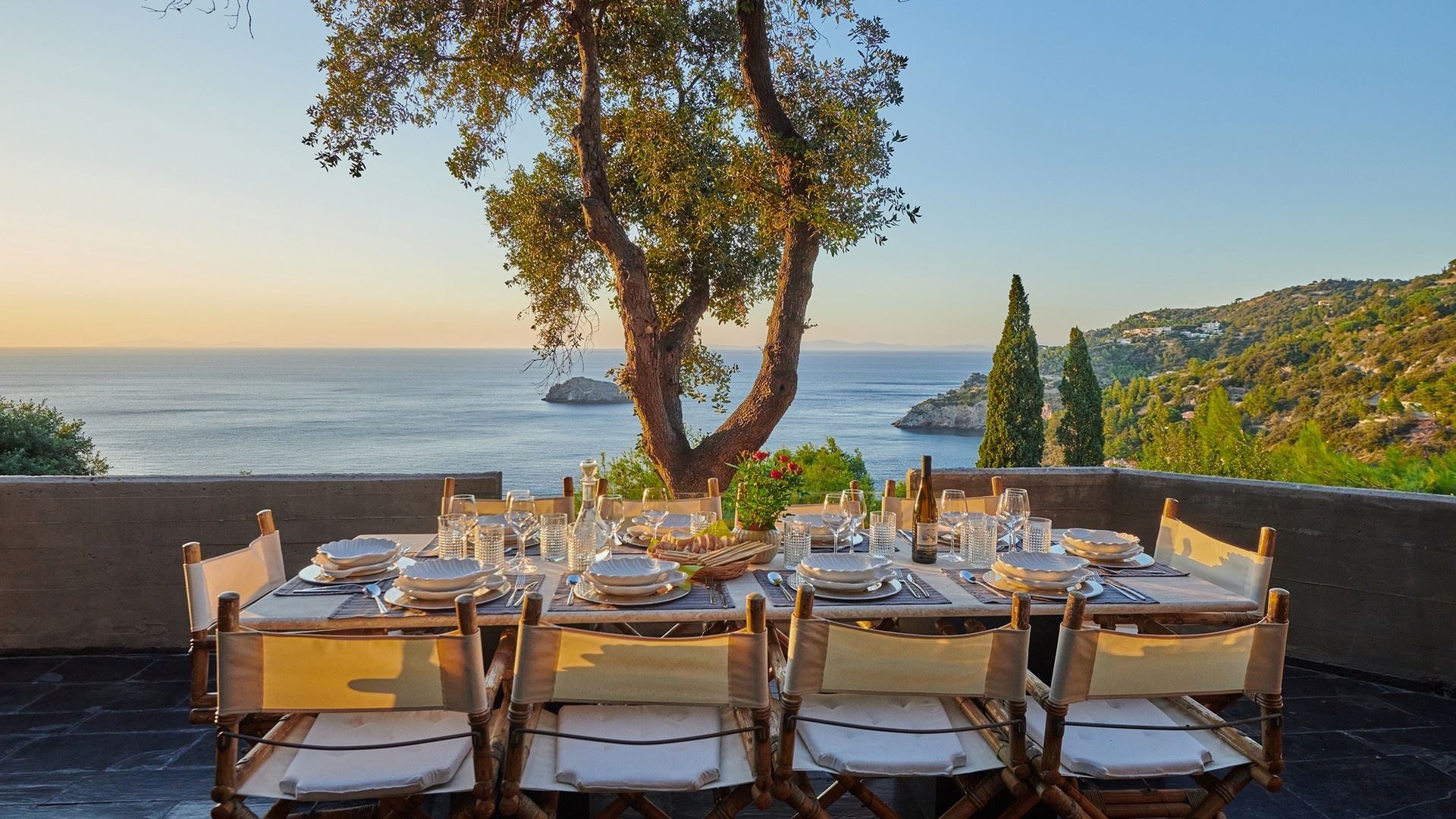
Ready to start planning your holiday in the south of Tuscany? Explore our extensive selection of villas across the Province of Grosseto. Whether you're looking for coastal views across the Tyrrhenian Sea, a rustic getaway for the family in the hills, or a modern estate, there is something for everyone. A stay in Grosseto is perfect for those looking to soak up the Tuscan sun, whether by the pool or on the beach, whilst still providing the ideal backdrop for an exploration of local towns and villages exploring the rich Etruscan history of the area. Choosing a villa in Grosseto guarantees a unique and memorable stay in one of Tuscany's most captivating regions.
Alternatively, entrust your holiday planning to our team of Villa Specialists. With their firsthand experience and intimate knowledge of the region, they'll ensure you find the ultimate Tuscan holiday tailored to you.