
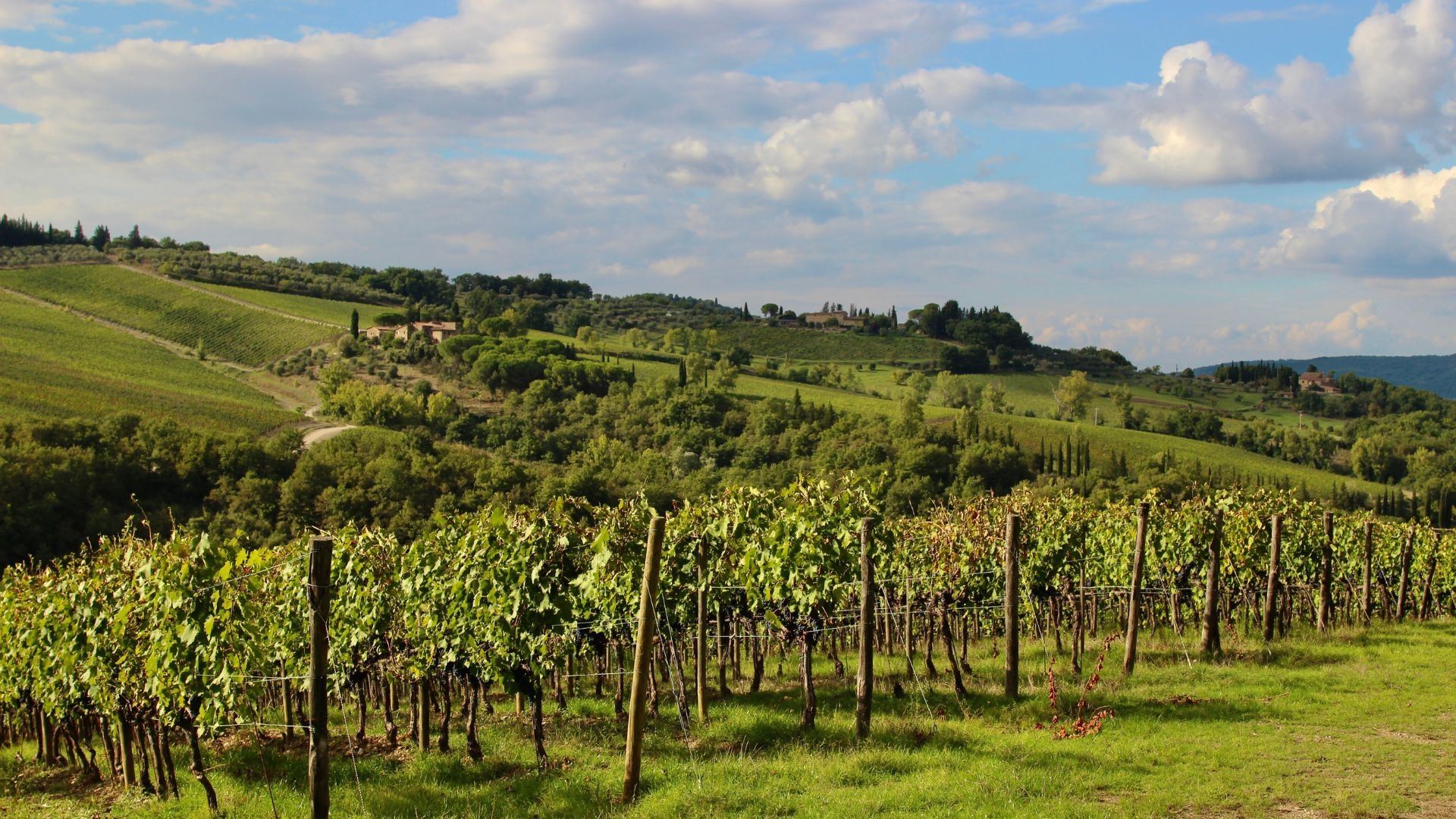
This article was crafted by To Tuscany to ensure our guests enjoy the best possible experience during their time in Tuscany. Explore our villas in the Chianti.
Or contact our Villa Specialist team, who are available to assist you. Click here to get in touch.
Top Ten Things to Do
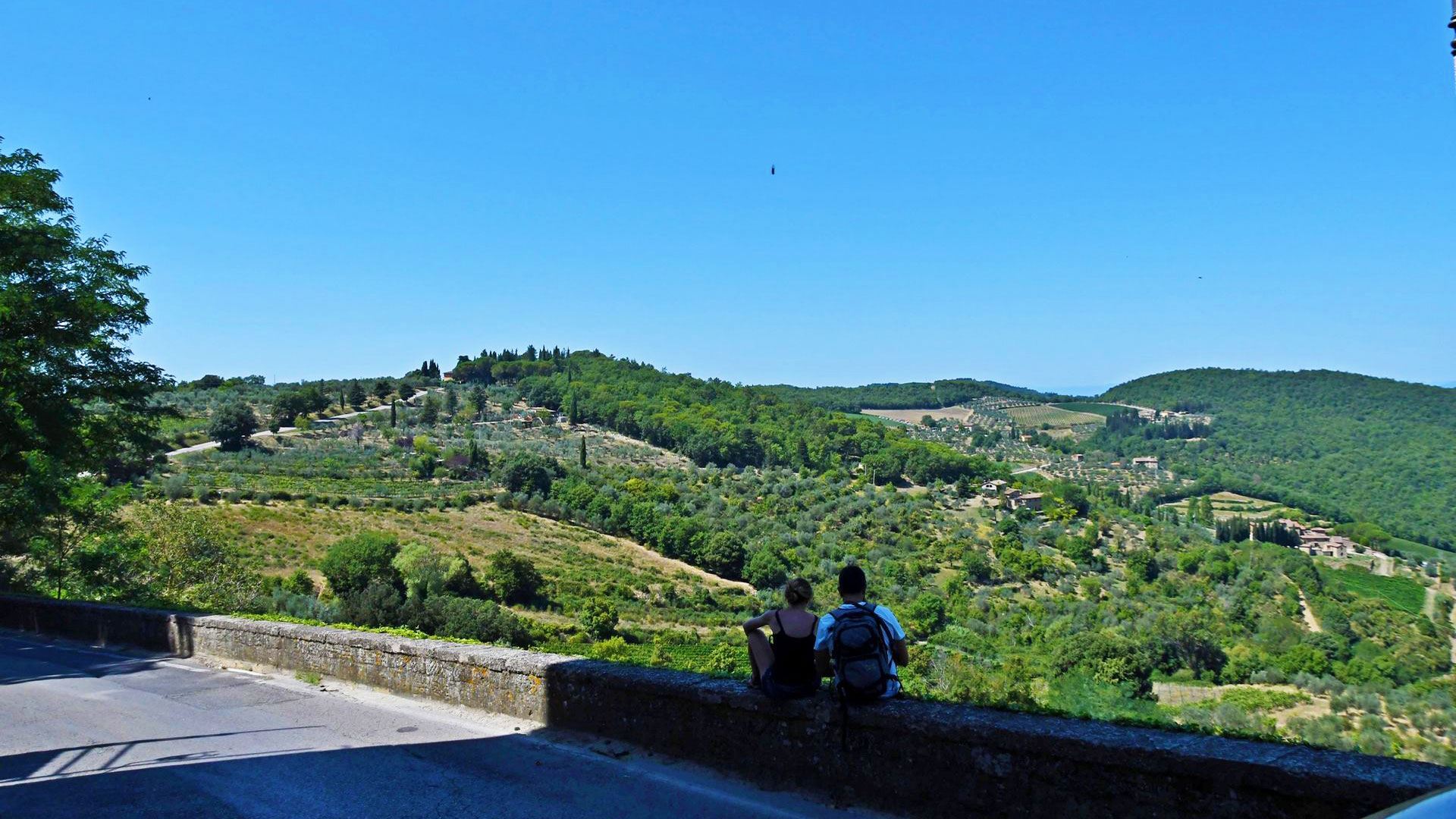
1. Pottering in perfect countryside
It’s a travesty to equate Tuscany with `Chiantishire’, a parody of an English country-house party transposed to Italy. It is also misleading to reduce the region to Renaissance art, Florentine architecture and the Chianti vineyards. The Tuscan landscape is as beautiful as the art. This soothing scenery, dotted with hill-towns, inspired the Renaissance masters.
The SS222, known as the Chiantigiana, or Chianti Way, winds its picturesque way from Florence to Siena, through the heart of the region, offering archetypal scenes of cypress trees, olive groves and vineyards. You could begin in Greve in Chianti or Panzano in Chianti, preferably during a weekend market. But even without an agenda, the Chianti makes perfect sense, stopping wherever takes your fancy.
Fortunately, this is the best-organised wine region in Italy, not just in Tuscany. Chianti wines have been commercialised for over three hundred years so this is a sophisticated and visitor-friendly wine region. Arguably, the wine-touring experience is the smoothest available in Italy. Even if booking is generally preferred, the estates are adept at welcoming visitors and ensuring that you come away with a true sense of place and even a rekindled passion for Tuscan wine. It’s rarely about a quick slurp and moving on. In a place where nothing is essential viewing, everywhere is a glorious detour.
www.visittuscany.com
https://www.visittuscany.com/en/areas/chianti/
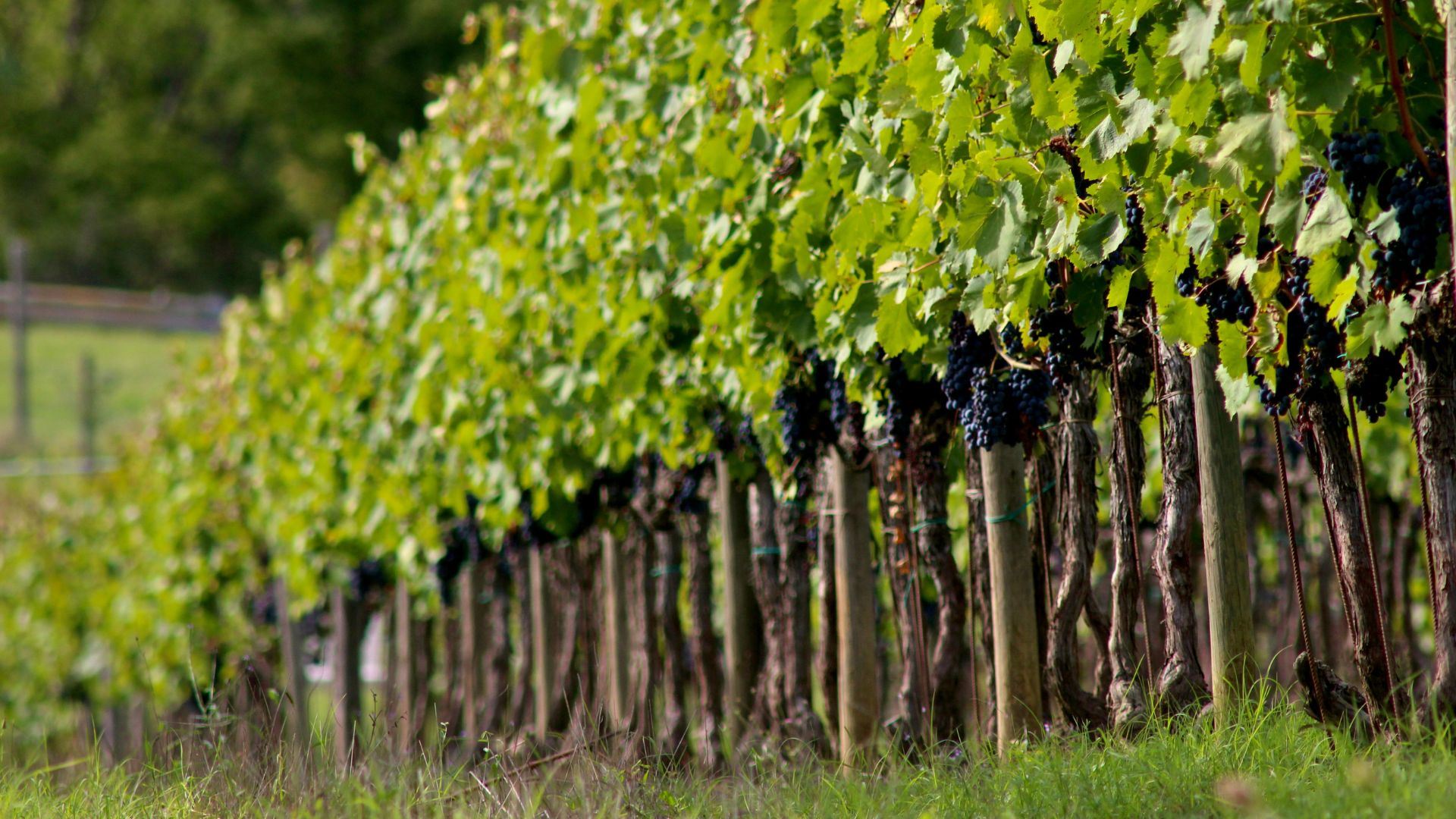
2. Drinking in the Chianti wine trail
The Chianti Classico wine trail explores some of the most legendary wine estates, an experience combining countryside, castles, cuisine – and wine. Not that we forget the charming individual estates that characterise the Chianti. In Tuscany, wine trails are always about far more than wine. Never think that just because you’ve visited a couple of estates that you’ve “done” wine-tasting. The estates, and their owners, are so diverse and each provides a new window on Tuscany.
The Chianti covers an enormous region, spanning seven different wine “zones”. At its heart, in the hills between Florence and Siena, is Chianti Classico The main centres are Greve, Panzano, Castellina, Gaiole, Radda and Fonterutoli, whose estates are covered in our individual guides. Easily accessible off the picturesque route SS222, the grandest, castle-like estates have often been run by the same families since medieval times. This is the case with the aristocratic Antinori, Frescobaldi, Mazzei and Ricasoli dynasties, all wine estates we recommend in our individual guides. Their vaulted castles, frescoed villas, rolling vineyards and gastronomic restaurants encourage you to linger. The remaining Chianti wine zones include the Colli Fiorentini, Colli Senesi, Colline Pisane, Colli Aretini, Rufina and Montalbano. These are, rather confusingly, spread out over central Tuscany.
The most compelling Chianti wine estates have tasting rooms and an enoteca (wine shop) where you can buy the wines. Most are geared up to international shipments. Bigger estates often have renowned restaurants and may even run cookery courses that can last as little as a morning. A few estates have created wine museums or international-style sculpture parks. For a memorable experience, book a tasting (degustazione) combined with a tour of the vineyards and cellars. Sip, savour and enjoy.
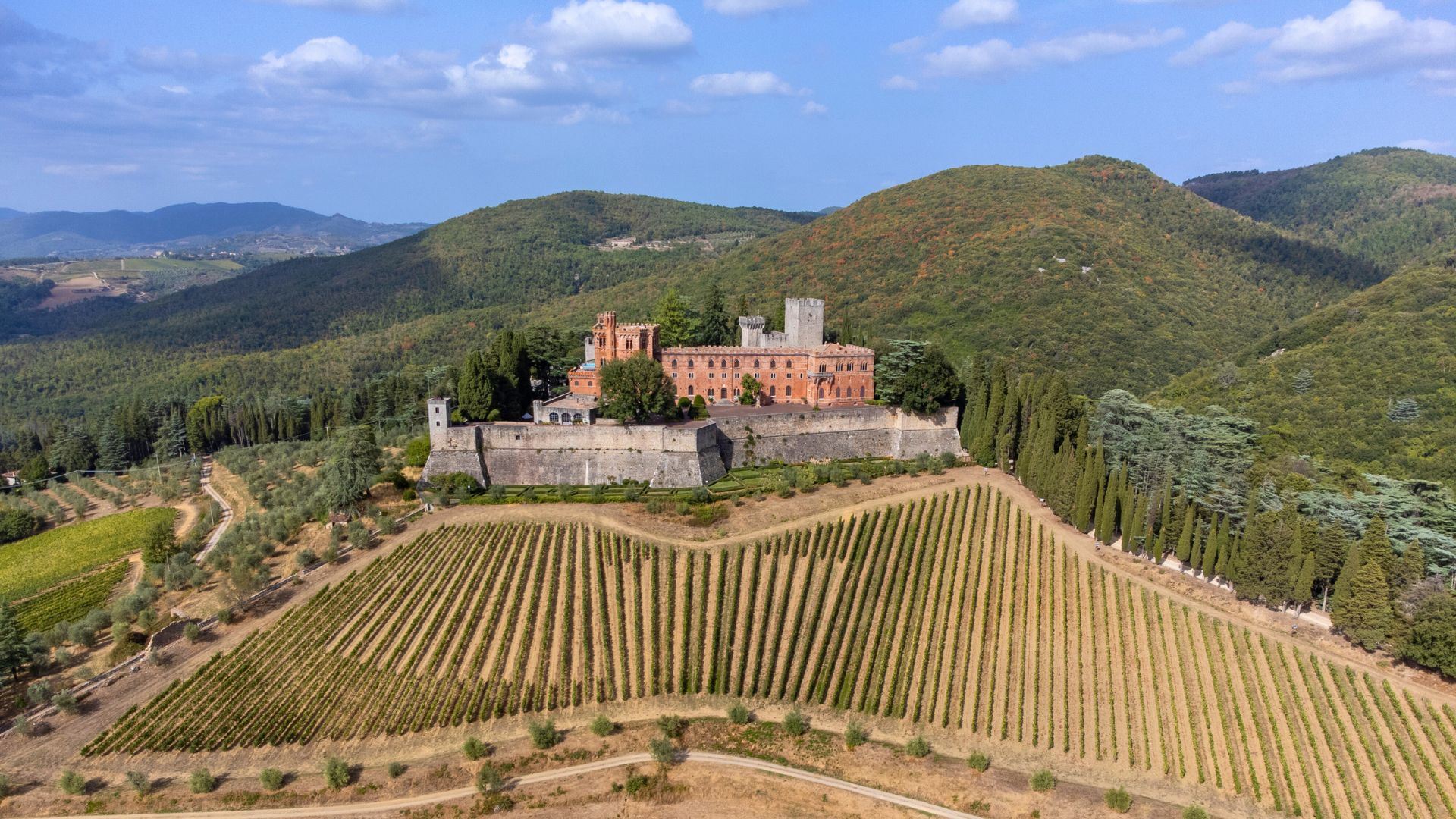
Brolio has long been controlled by the Ricasoli, Chianti landowners since the eighth century. The castle itself dates from the 11th century and is one of the oldest in Italy, even if its Gothic Revival style was introduced by Barone Bettino Ricasoli. From the year 1200 onwards, the Ricasoli dynasty fought on the Florentine side against Siena, their greatest rivals. As a Florentine outpost, Castello di Brolio’s past spans Guelf-Ghibelline conflicts, sacking by the Sienese in 1529 and German occupation and Allied bomb¬ing during World War II. The medieval walls are the castle’s most strik¬ing feature, along with the 14th-century chapel, set in lush grounds. Drink in the views of vineyards and the valleys from the castle ramparts.
At Brolio, you are tasting history in all senses. Baron Bettino Ricasoli, Italian premier in 1861, relaunched the family wine business, a business continued by the present family. Baron Ricasoli’s skill was to capitalise on improvements in production and spearhead the modernisation of wine-making, with the establishment of the Chianti Classico brand. Since then, a consortium, the Consorzio Chianti Classico, controls production, with the gallo nero (black cockerel) emblem guaranteeing quality. Book a visit to the castle cellars, tour the estate, taste the wines, and see the family museum. The sunset tour is the most private and includes dinner in the Ricasoli’s restaurant, L’Osteria del Castello. Your castle ticket also allows for a free wine-tasting in the Ricasoli tasting rooms below the castle. While there, try Barone Ricasoli Castello di Brolio Chianti Classico 2006.
Localita Madonna a Brolio
Gaiole in Chianti
53013
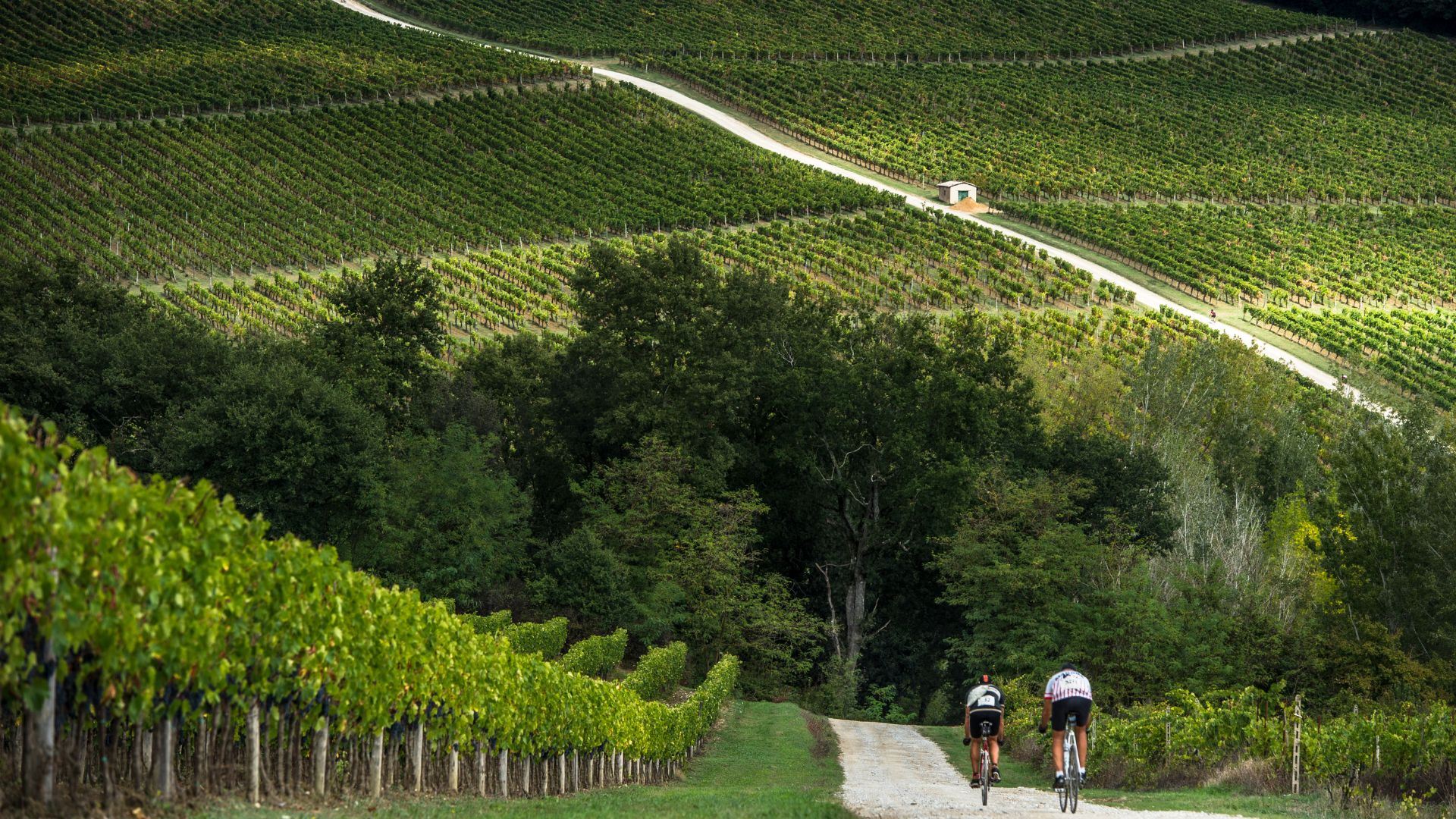
The Chianti trails may look like a walk in the park compared with cycling in the lofty Dolomites or the Alps - but think again. While the Chianti’s lack of those steep, long climbs can disappoint cyclists, never under-estimate the toughness of the Chianti trails, if toughness is what you want. Not just do the roads twist and roll, but so does the changeable weather. This is especially true when you’re on unpaved roads, the famous rough gravel tracks known as “strade bianche.” This is the real Chianti, when it’s about you facing your fortune, facing every gruelling twist and turn.
The Chianti has produced tough cycling legends such as Gino Bartoli, Mario Cipollini and Fiorenzo Magni. But if you’d rather relax and not become a legend then book a cycling tour through a local operator. For tougher cycling trails, ideally choose to go in spring or early autumn. See more cycling suggestions in our other Chianti guides, accessed through our Destinations listings.
Easy to more challenging day-long tours from Greve, Radda, Panzano and Gaiole.
Discovery Chianti cycling tours:
Tel: (+39) 328 6124658
Web: www. discoverychianti.com
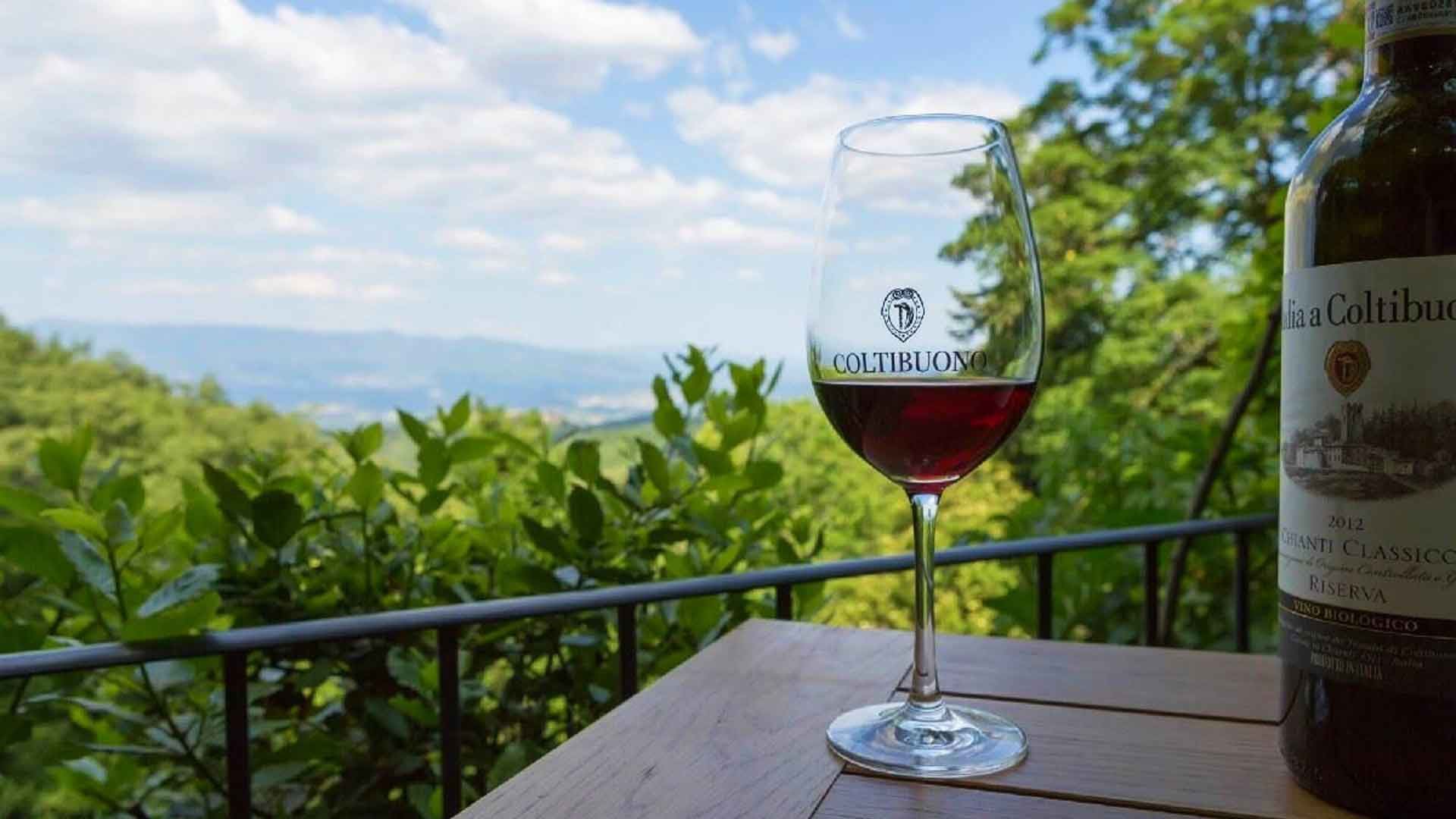
The beguiling 15th-century cloisters, chapel and frescoed ceilings can be viewed as a guest of the Tuscan cookery school, while the 12th-century walls and bell-tower are open to all. You can also book a tour of the original monastic cellars and frescoed villa, followed by a wine-tasting. Below the former abbey are cellars filled with Chianti Classico, the abbey’s traditional living. No less famous are the aromatic chestnut honey and olive oil, the delicious Extravergine Badia a Coltibuono. Much of the produce can be bought on the premises or savoured in Ristorante Chianti, the excellent abbey restaurant. You can also do a cookery course run by Benedetta Vitali, founder of the noted Florentine restaurant Cibreo. within the former Romanesque abbey.
53013
Gaiole in Chianti
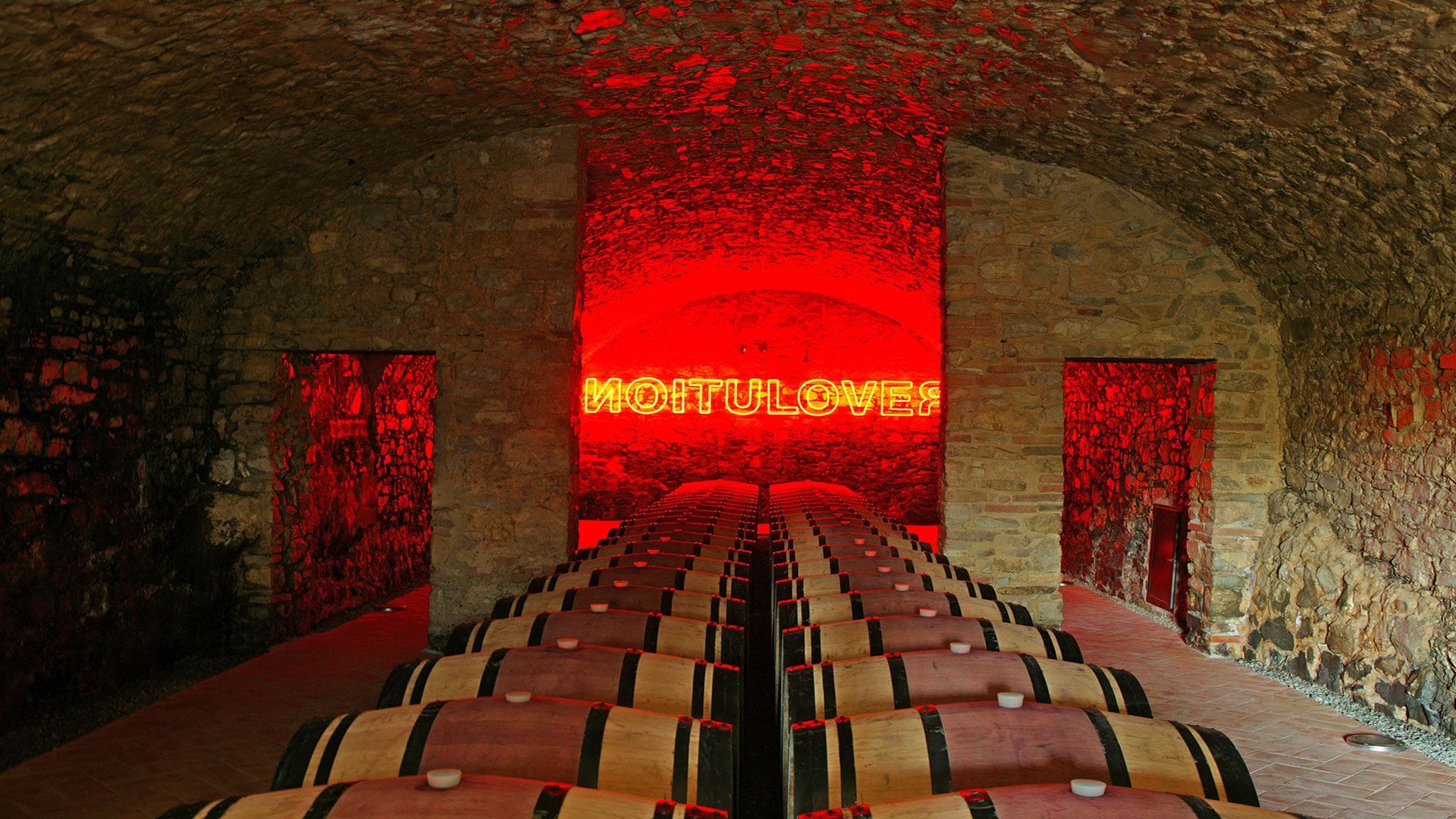
The grounds are home to a world-class collection of contemporary art installations. This ambitious collection, Castello di Ama per l’Arte Contemporanea (Castello di Ama for Contemporary Art) was set up as a legacy project in 1999. Lorenza and Marco Pallanti have created a sculpture garden of site specific installations in keeping with the spirit of the wine estate and medieval borgo beyond.
Castello di Ama repurposes original buildings, such as an on-site church and wine cellar, to showcase art installations in a striking way. The most engaging is the show-stopping mirrored installation by Daniel Buren that reflects the rolling hills.
Book a wine tour and tasting, come for lunch, visit the sculpture park, or simply visit the estate’s Enoteca to sample and buy the wines, olive oil and nature-inspired home fragrances.
T: (+39) 0577 746069 (wine estate) (+39) 0577 746191 (restaurant)
Localita Ama
53013
Gaiole in Chianti
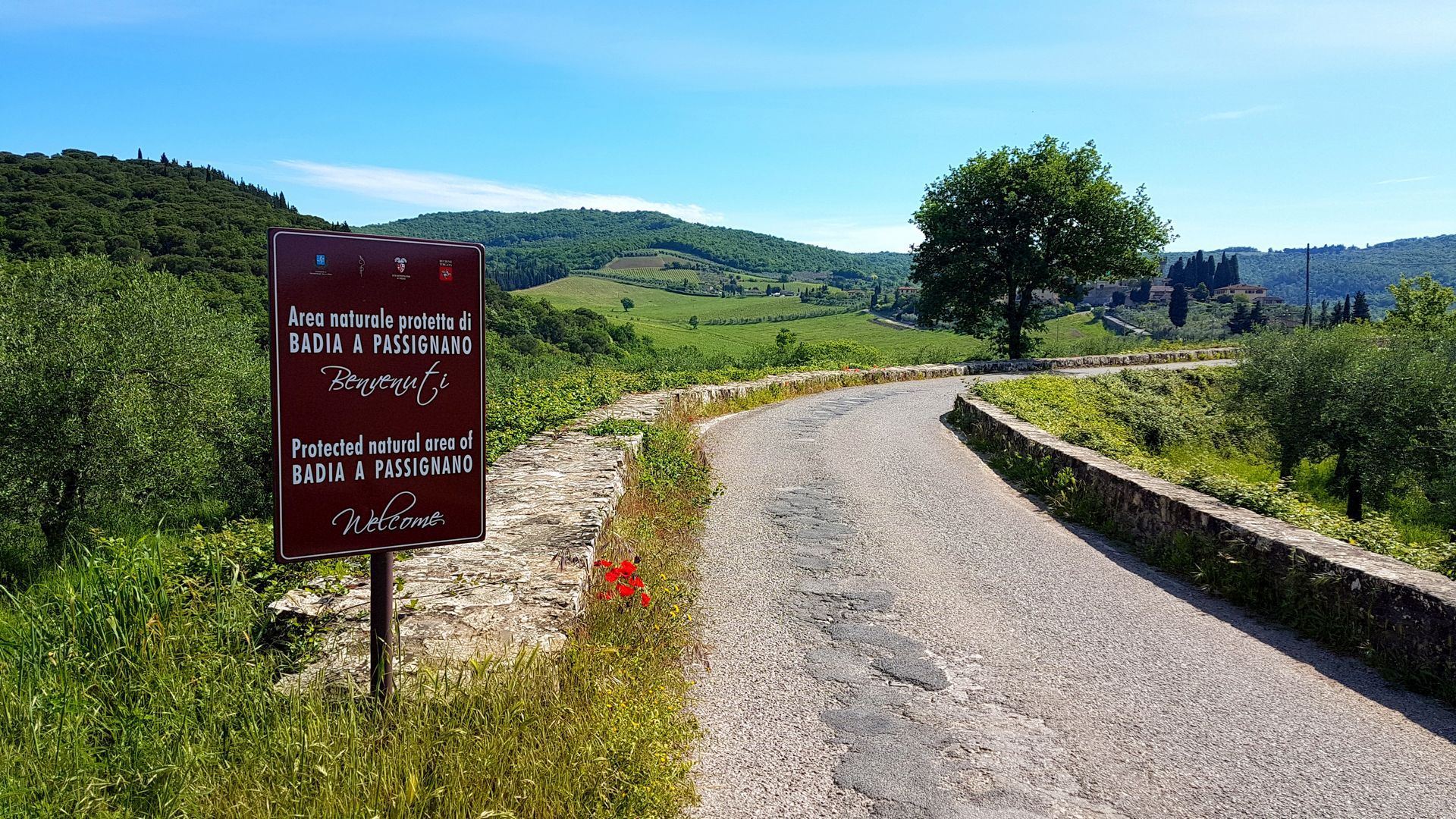
If more earthly concerns are on your mind, then the abbey can also sustain you. The Antinori’s Michelin-starred restaurant occupies part of the vaulted abbey, with the so-called `historical cellars’ located immediately below the abbey. At the estate you can sample Antinori signature wines, whether Chianti Classico wines or Super Tuscans. Famous names are Tignanello, Guado al Tasso, and Solaia, as well as Chianti Classico Riserva Badia a Passignano. Book an Antinori wine-tasting and cellar tour, possibly even an oil-tasting, followed by lunch or dinner in their onsite fine-dining restaurant. L’Osteria di Passignano or their far simpler Trattoria della Fonte in a farmhouse nearby. Instead, L’Antica Scuderia is the best dining option for families or anyone fancying a pizza.
Badia di Passignano (Passignano Abbey): T: (+39) 055 8072341 (English); (+39) 055 8071171 (Italian)
Antinori Passignano estate: T: (+39) 055 8071278
www.antinori.it
Localita Badia a Passignano
50028
Tavernelle Val di Pesa
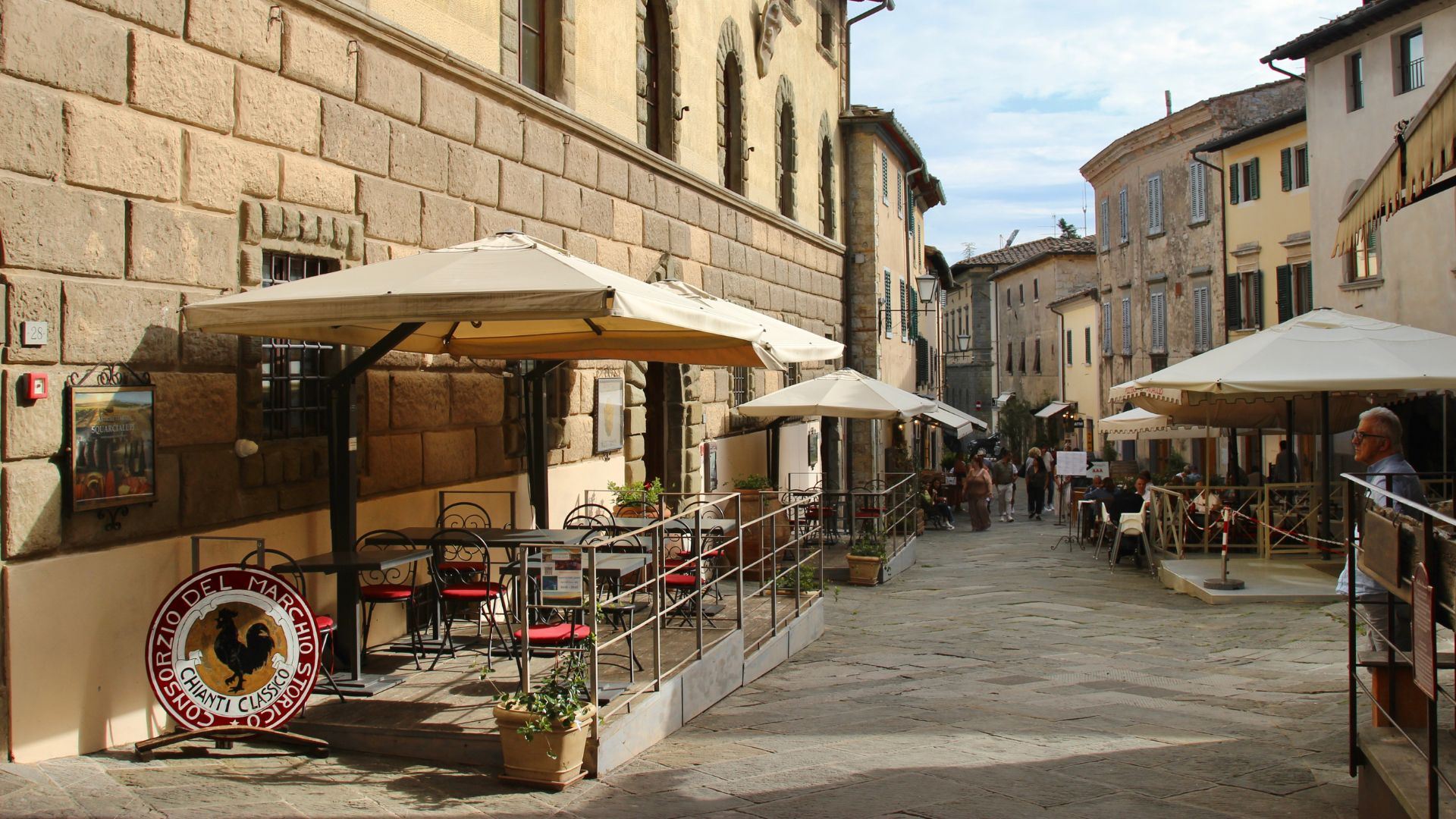
What’s more, many of the most appealing inns are set in Chianti Classico wine estates. The grandest of these estates aim to showcase their wines by matching their favourite vintages to Tuscan menus with a twist. It’s a played-down version of fine dining. Other estates may offer simpler inns and a chance to combine the wine with cucina povera, the healthy but hearty `peasant’ cooking of the past.
At the very least, you can usually expect tasting rooms and an enoteca (wine shop) where you can buy the wines. These princely wines have little in common with the folksy, straw-covered flasks of plonk that once symbolised Tuscany abroad. Always check what’s available online as the options may vary from a gourmet meal to a wine-tasting paired with bruschette or crostini. As with our favourite Chianti wine estates, it’s about drinking it all in. The experience is rarely about a quick slurp and moving on.
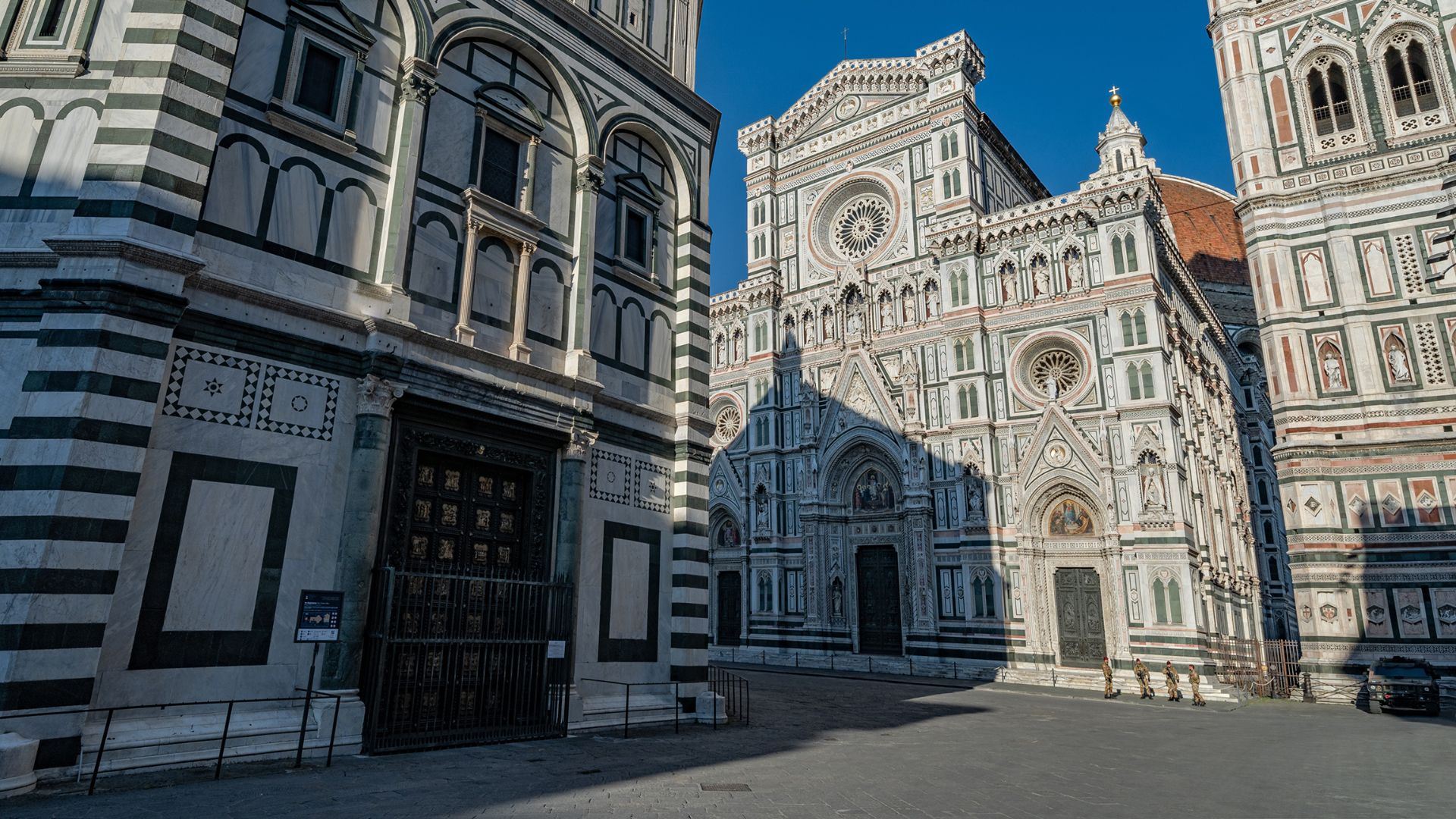
9. Art-filled Florence
Florence lies just north of the Chianti. Despite devouring the checklist of must-see sights, steer clear of suffocating under the weight of treasures. Allow time for aimless wandering. Beyond the selfie sticks and statuary awaits a funky foodie haunt with sleek cafes, superb cooking and seriously edible markets. Florence is not fusty. Nor has the greedy city lost its gutsy Tuscan soul: traditional inns still serve earthy peasant fare, including macho steaks. Beware of trying to do too much on a day trip. Balance visits to galleries with wanderings in search of the perfect trattoria or the perfect view.
Begin in Piazza della Signoria, the city’s grandest square, with its copy of Michelangelo’s David and, beside it, the crenellated Palazzo Vecchio, with a well-presented collection. After a coffee at Rivoire, brace yourself for the Uffizi Gallery, the world’s greatest collection of Italian art. As such, the gallery is both a feast for the senses and an indigestible banquet so try and plan your visit in advance or even book a time slot online. After lunch, visit the Duomo, the biggest building for miles around. It is still Brunelleschi’s Renaissance dome that defines Florence. Out of respect for Brunelleschi’s achievement, the city forbade the construction of any building taller than the Duomo.
Clear your head in the Oltrarno, across the river Arno, where the Giardino Boboli (Boboli Gardens) act as an excellent antidote to the suffocating splendours of the Pitti Palace. The Medici dynasty created these statuary-encrusted gardens, which became the model for Italianate gardens for centuries to come. Before dinner, explore the Oltrarno neighbourhood's craft heritage on the so-called Left Bank of the city. This bohemian district is studded with stylish bars and buzzy inns interspersed with antique shops, jewellery-makers, picture-restorers and bijou art galleries.
Check our Florence guide to see what appeals most. If visiting a number of museums, consider buying a Firenze Card online (www.firenzecard.it) and also book a time slot at the Uffizi Gallery.
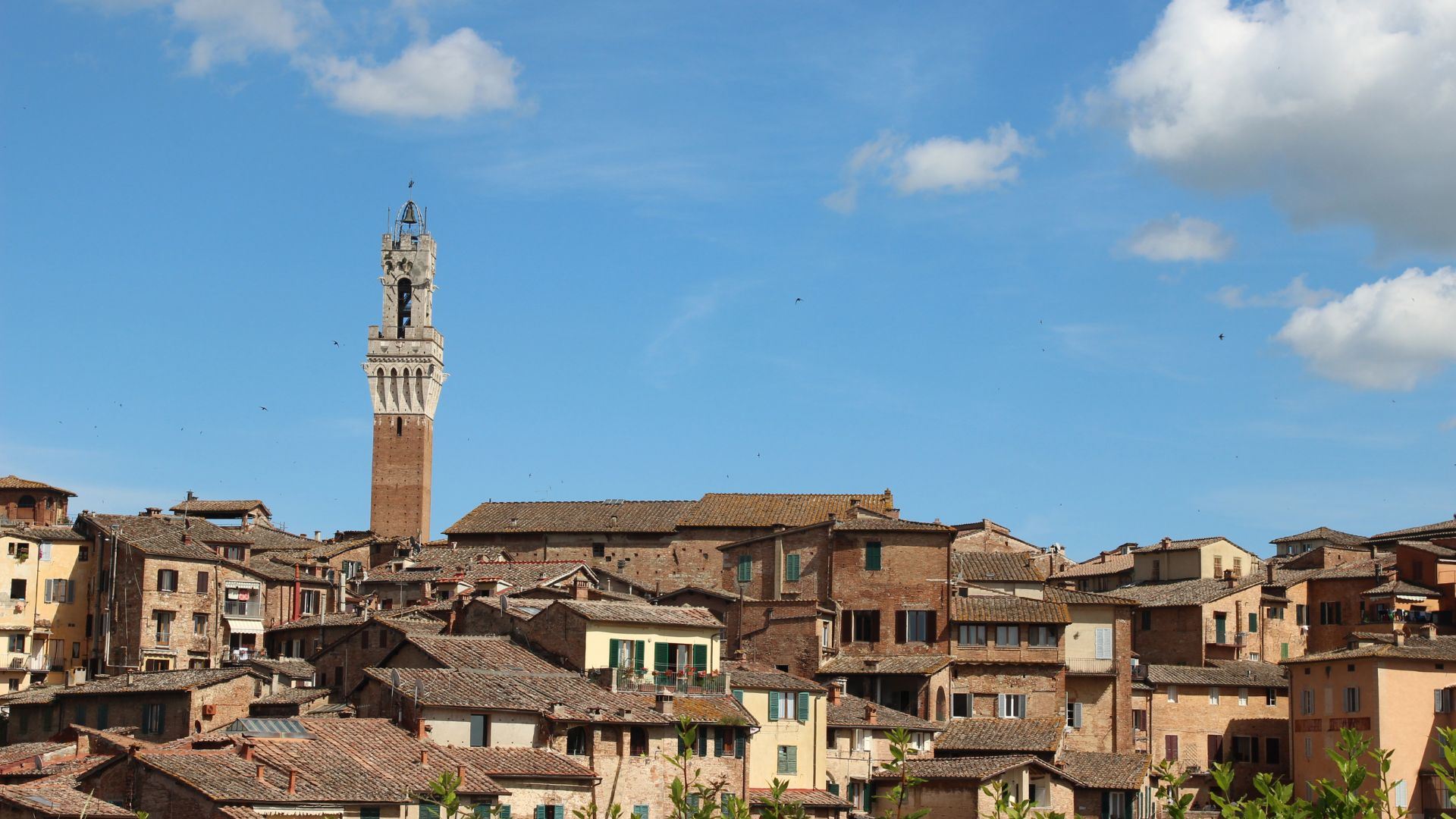
10. Day trip to Siena
Siena frames the southern end of the Chianti and makes for a magical day trip. Siena is a Gothic city built on a human scale and is effortlessly civilised and at ease with itself. All roads lead to Il Campo, the beguiling, shell-like central square, shaped like an amphitheatre. Sit at a terraced café on the sloping side of the square and spot the division of the paved surface into nine segments, recording the wise Council of Nine who governed Siena from the mid-13th century to the early 14th. Consider climbing the slender Torre del Mangia, with sultry views over a pink piazza and Siena’s rooftops, even if the views from the Cathedral rooftops are even better.
After an early lunch, a leisurely stroll leads to the Duomo, Siena’s pinnacled Gothic cathedral. The facade is a riot of green, pink and white marble, like a glorious iced cake. Siena Cathedral and the Cathedral Museum should be seen as one entity as they share several spaces. The Museum displays Pisano’s original statues for the façade along with Siena’s best-loved work, Duccio’s Maestà, the Virgin Enthroned. For many visitors, equally impressive is the rooftop walk, known as the Panorama from the Unfinished Façade. These are arguably the finest views of Siena. Facing the cathedral is the Spedale di Santa Maria della Scala, the most extraordinary building in Siena. It began as a hospital a thousand years ago and continued as one until it was reborn as a magnificent museum in recent years. In medieval times, it was always far more than a hospital. The art-studded complex embraces a former pilgrims’ hostel, an orphanage, frescoed churches and granaries.
Don’t let Siena’s art-studded museums blind you to the beauty of the backstreets. Here, the city history unfurls like a medieval banner. Walkable Siena has well-preserved walls and inviting gateways. Wind through a tangle of medieval streets and stumble across secret courtyards, fountains and surprisingly rural views. Check our Siena guide to see what appeals most.
Centro Guide (guided walks)
T: (+39) 0577 43273
www.guidesiena.it
Spedale di Santa Maria della Scala
Piazza Duomo
Eating and Drinking
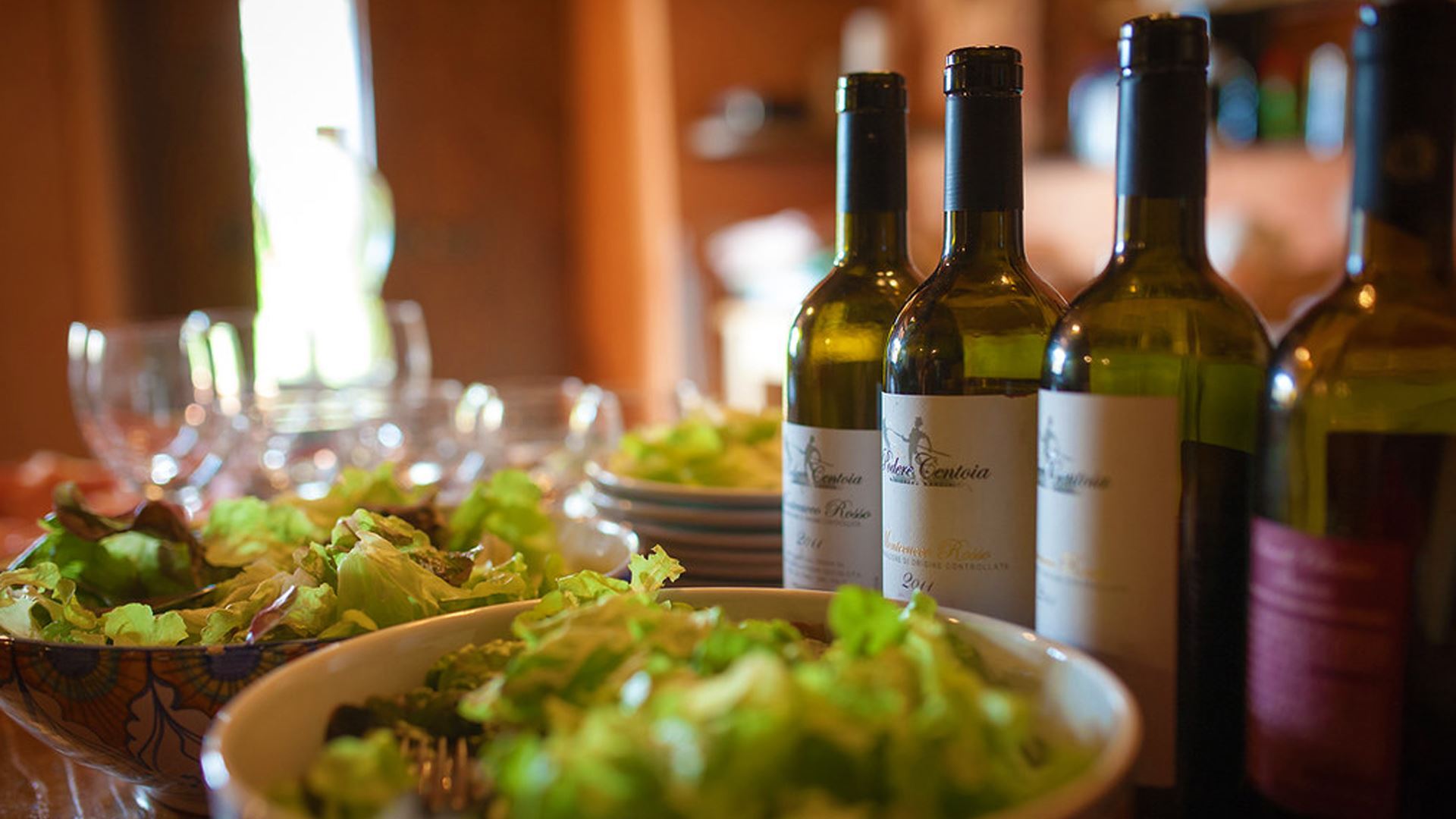
Naturally, this is the homeland of Chianti Classico, even if Super Tuscans are also produced in the region. In 1716 a decree issued by the Grand Duke of Tuscany defined the boundaries of the Chianti area and established the laws governing the production and sale of wine. Today this region is the world’s oldest wine-producing league. The Chianti Classico area includes the areas of Barberino Val d’Elsa, Castellina, Greve, Gaiole, San Casciano and Tavernelle Val di Pesa.
Cuisine from the Chianti is a hearty variant on classic Tuscan cooking, with borrowings from nearby Florence and Siena as well as local variants. Look out for ribollita, a thick bean soup, or other simple dishes that reflect Tuscany’s cucina povera (peasant cuisine). At the other end of the scale, fine dining is also available, especially in many of the grander castle and abbey estates. Here, dishes tend to be more sophisticated and often involve wine-pairing and tasting menus.
La Bottega
Set in an enchanting medieval hamlet just north of Radda, this charming family-run inn serves unfussy but still special Tuscan dishes. These are complemented by some of the best Chianti Classico wines, along with salads and vegetables from the kitchen garden. Mid-priced dishes include hand-rolled pasta, such as pici with duck or wild boar sauce, or ribollita soup followed by wild boar or Florentine T-bone steak. To be sure of grabbing a table on the shady terrace, book ahead and then enjoy view from the hilltop hamlet over the rolling plain below.
Volpaia
53017
Radda in Chianti
L’Osteria di Passignano
Combine a visit to the Badia di Passignano abbey with a prestigious but pricey wine-tasting and cellar tour linked to the Antinori wine dynasty. Surrounded by serried vineyards, this fancy Michelin-starred restaurant occupies part of the vaulted medieval abbey. After a tour of the `historical cellars,’ consider lunch in this fine-dining restaurant (booking required). The creative modern Italian cuisine still incorporates fine Tuscan ingredients. Typical dishes include artichoke-stuffed pasta in a Parmesan sauce, pork with black truffle puree, or lamb served with an asparagus-filled pastry. The wines make the perfect accompaniment, perhaps including Antinori’s Riserva, which is oaky and spicy with notes of cinnamon and candied fruit. If won over, on another occasion, dine in a different Antinori establishment, such as their simpler La Trattoria della Fonte nearby, which also runs cookery classes. After preparing a Tuscan meal, students proceed to devour it in L’Osteria di Passignano.
Localita Badia a Passignano
50028
Tavernelle Val di Pesa
L'Osteria Le Panzanelle
Set on the road between Panzano and Radda, this is a bastion of Tuscan home-cooking. With its white-washed walls, it’s an unpretentious but utterly reliable country trattoria. Come for the mid-priced home cooking, friendly service, short but seasonal menu and the extensive Tuscan wine list. Tuck into the Florentine tripe, roast rabbit, the pumpkin ravioli or any pasta in wild boar sauce. End with the panna cotta or the homemade, crunchy cantuccini biscuits, ideally dipped in Vin Santo.
53017
Radda in Chianti
50022
Panzano in Chianti
Il Ristoro
Set south of Gaiole, on the lovely, rambling Castello di Ama wine estate deep in the Chianti hills, this inn is all about showcasing the wine in an 18th-century villa. The short but seasonal menu is perfectly matched to the estate wines. Authentic, good-value dishes include pasta with wild boar sauce, chicken with black olives in wine sauce or a summery carrot and courgette soufflé with pecorino sauce, and a hazelnut tart to finish. Pre-book a balcony table for sweeping views. To focus on the wine alone, choose the estate’s L’Enoteca.
Localita Ama
53013
Gaiole in Chianti
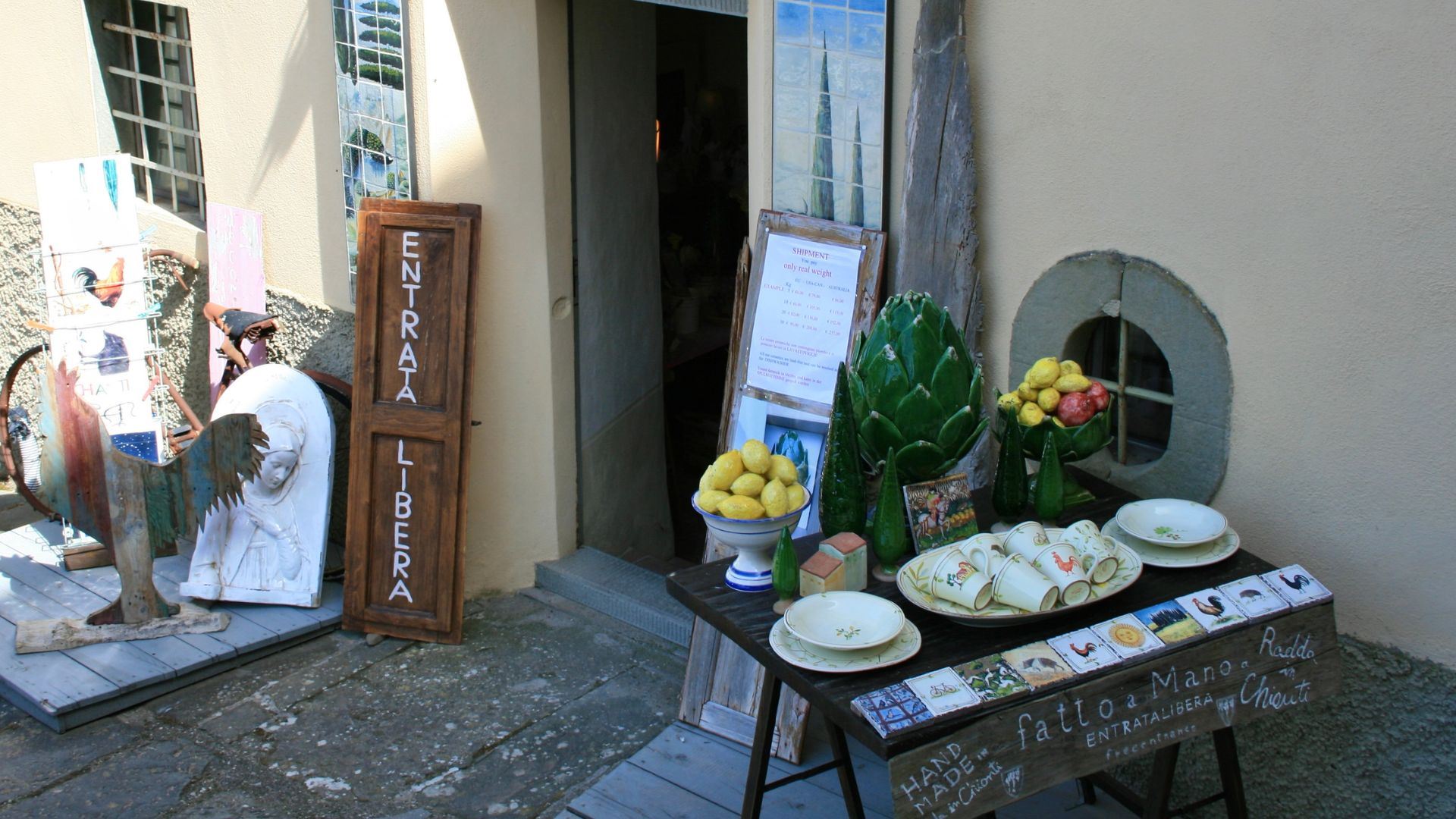
Shopping
Castello di Brolio
Castello di Brolio, a famous Chiantishire castle, lies between
Gaiole and Castelnuovo Beradenga.The Brolio wine-tasting experience and gift shop can form part of a great day out, as does the route there. This is classic Chianti countryside, with its mix of vineyards, olive groves, oak and chestnut woods. Records attest to the Ricasoli family having been in wine since 1141 so count on buying some fine vintages and possibly even some lovely wine glasses. Along with Chianti Classico, the estate also produces Super Tuscans, such as Casalferro. Even so, the market leaders in the Super Tuscan stakes are Ornellaia and Masseto, produced by the rival Frescobaldi wine barons. While at Brolio, book a visit to the castle cellars, tour the estate, taste the wines, and see the family museum.
Localita Madonna a Brolio
53013
Gaiole in Chianti
La Bottega di Passignano, Badia a Passignano
Badia a Passignano
Localita Badia di Passignano
50028
Tavernelle Val di Pesa
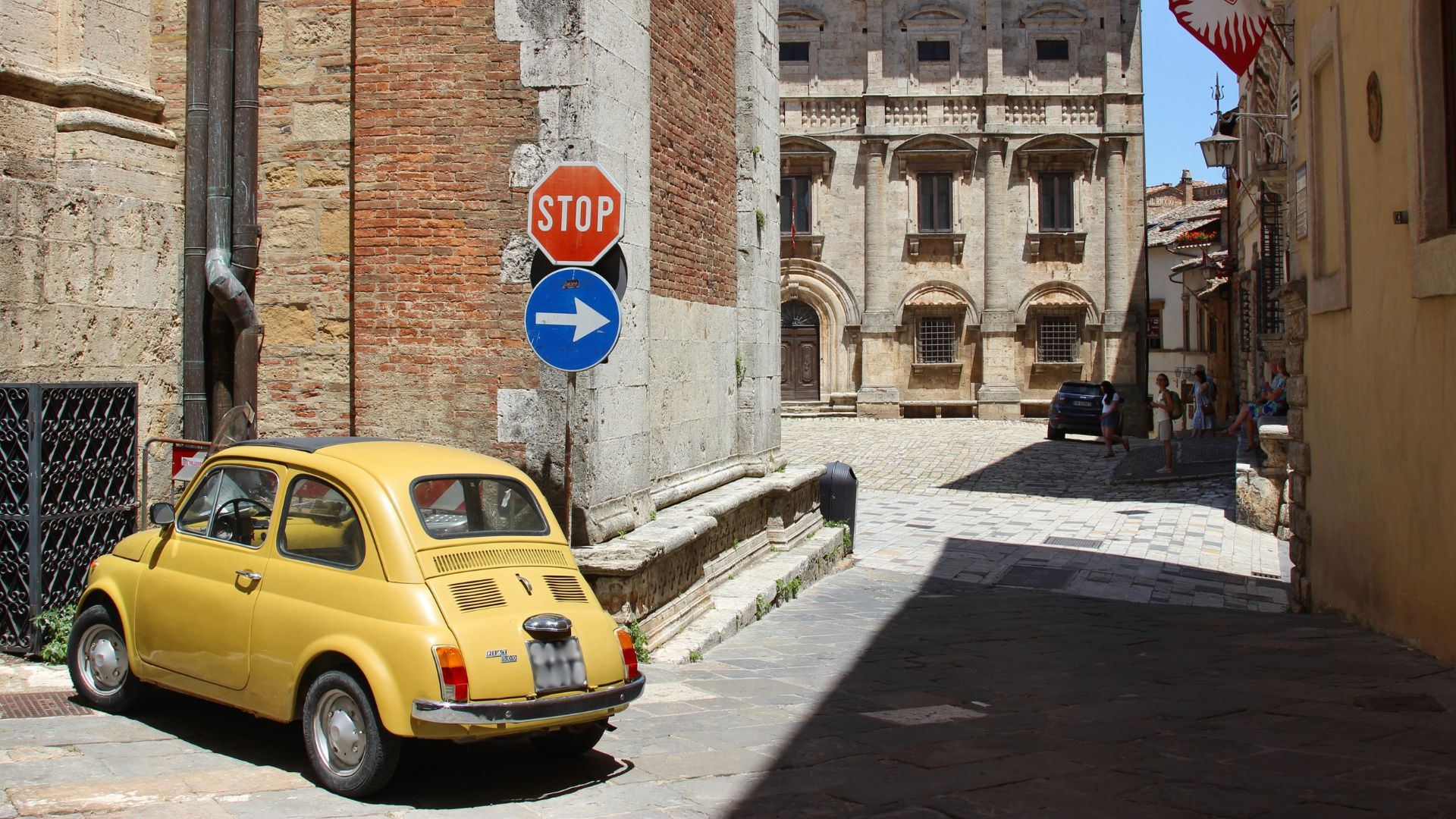
Parking
Advice on ZTLs: You may see other cars crossing the ZTL boundary (Limited Traffic Zone) and assume you can proceed. Not so. The drivers crossing into the ZTL zone will probably be locals and have residents’ permits. Visitors do not so are liable to fines. Zones are monitored by cameras, so tickets are issued immediately and automatically, as soon as (and each time) the car crosses the ZTL boundary.
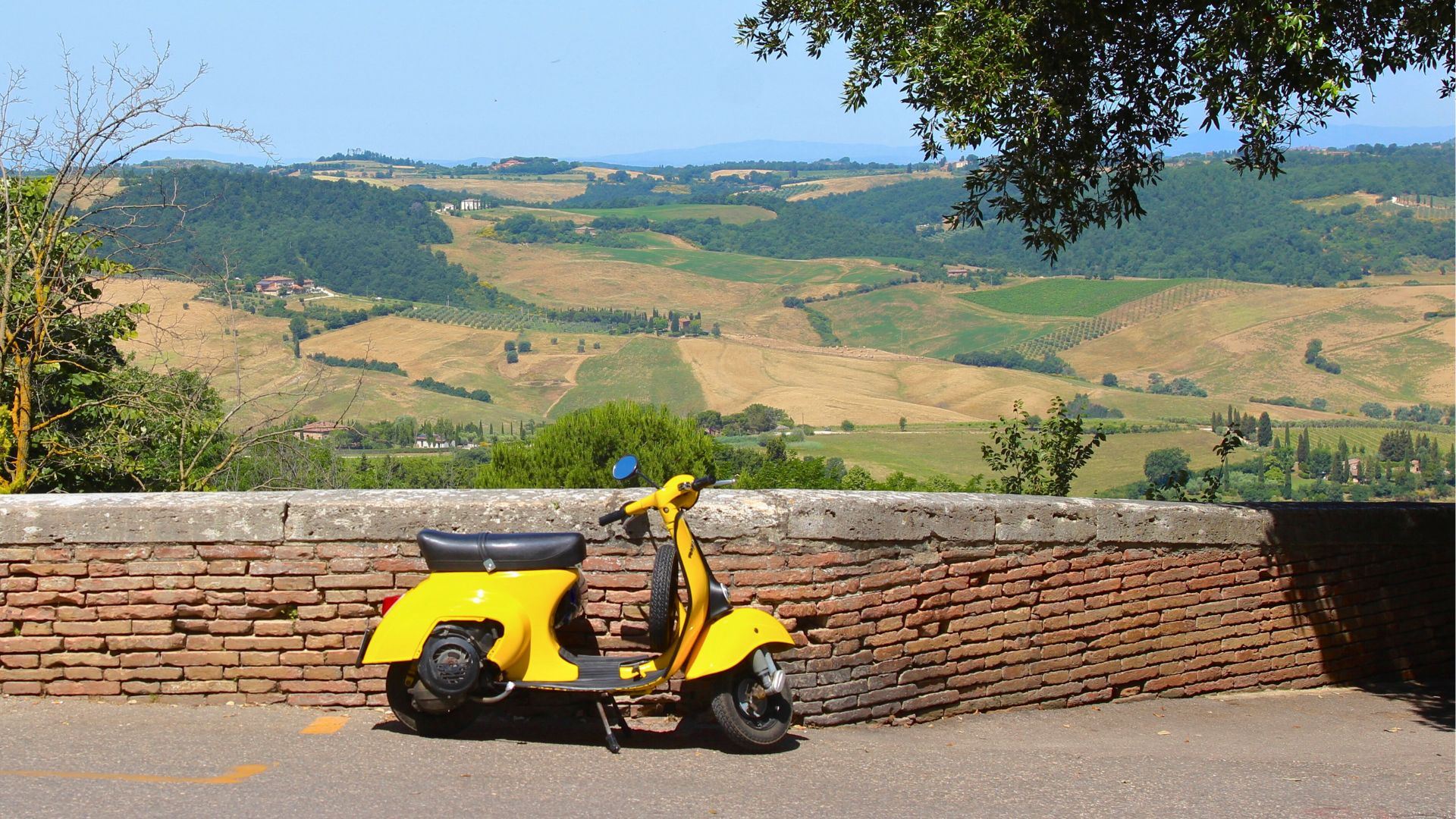
Getting around
Greve, the main gateway from the north, lies on the SR222, commonly known as the Chiantigiana, about 30 km south of Florence and 40 km north of Siena. From Greve, the scenic Chiantigiana meanders through the Chianti, passing through many typical villages. This is a charming route to take by day. At night, however, you might encounter wild boars, porcupines or deer crossing the road.
Instead, the Florence-Siena road (Superstrada Firenze-Siena) is a dual carriageway leading to the Chianti. Poggibonsi Nord is the Chianti exit. From there, follow your map or your GPS.
The SR2 - Cassia is the old Roman road that runs parallel to the Superstrada and borders the Chianti, passing through Poggibonsi and Monteriggioni.
The Chianti by train: the Chianti is not an easy place to reach by rail. The train service barely touches Chianti's attractions, which is part of the reason why the area is so peaceful. The main Chianti station is Castellina in Chianti, which is on the Siena-Florence line but you need to change trains at Empoli.
The Chianti by bus: buses provide more useful services but the sporadic 365 service still means that bus schedules are not always convenient, with only a limited service operated on Sunday. Buses run from Florence to Greve, Radda, Castellina and Gaiole.
On your bike: The Chianti is a lovely place to explore by bike. The combination of romantic Tuscan scenery and challenging gravel roads is what makes it so enjoyable. The cycling races also attract big crowds. Whether as a spectator or a participant, L’Eroica is worth following. This renowned amateur event that allows cyclists from around the world to experience the region while riding classic bikes.