
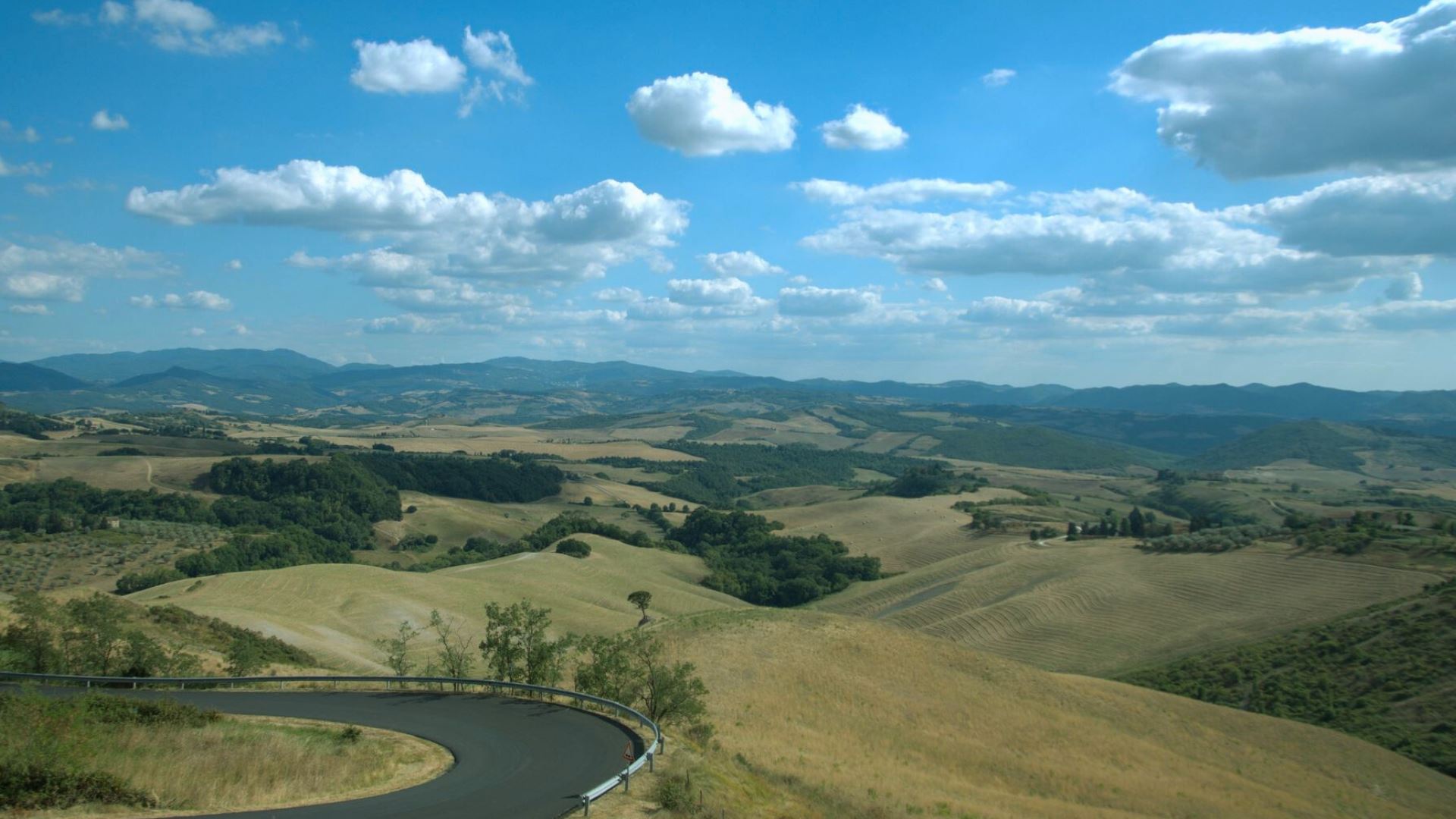
Having a car means you can come and go as you please, so when you are ready to venture away from your villa's pool, you can visit some of the beautiful historic towns and villages completely at your leisure. Experience the freedom of the open road, where every turn reveals breathtaking vistas and the opportunity to discover Tuscany's rich cultural heritage.
Why not travel to Tuscany and see why we love it so much! Find your perfect Tuscan villa today and browse our collection.
Contact our Villa Specialists, who can help you find the ultimate Tuscan villa tailored to you.
Types of roads in Tuscany
There are two types of main roads in Tuscany – the Autostrada (motorway) and the Superstrada (state roads).
Autostradas are toll roads, indicated by green signs, whereas the Superstradas are free roads, indicated by blue signs.
When going on to the Autostrada you might see signs for the Telepass among the toll booths. Telepass is an electronic toll collection system used in Italy. It allows drivers to pass through toll booths on motorways and other toll roads without stopping to pay manually. If you do not have this system avoid passing through those tolls as the barrier will not open. To be able to use it users install a small electronic device on the inside of their vehicle's windshield.
Typically, all Autostradas have service stations and rest stops but, the Superstradas do not which, is good to keep in mind if travelling a further distance and needing to fill up with fuel.
There are also the white roads called Strade Bianche, which are unpaved gravel roads that reach across the countryside of Tuscany and Umbria, weaving their way through oak forests, olive groves, vines, meadows and fields of grain. The white colour that gives these roads their unique character comes from the compacted local limestone gravel that forms them.
Today, the Strade Bianche is preserved as a national treasure. In 1997, the L'Eroica, a non-competitive cycling event that now attracts around 8,000 riders per year for the ultimate vintage bike challenge, was created to help preserve the Strade Bianche.
In the summer, most Strade Bianche traffic is peaceful and recreational, whether on foot, two wheels or four wheels so, although the terrain may a little trickier to navigate, take your time and enjoy the surroundings, it's well worth it!
Villa approach roads
Category 1: Unpaved, even, standard road clearance vehicle recommended
Category 2: Unpaved, uneven, high clearance vehicle recommended
Category 3: Unpaved, uneven, high clearance vehicle recommended, uphill segments, experienced drivers recommended
Category 4: Unpaved, uneven, high clearance vehicle only, steep uphill segments, experienced drivers recommended, vehicle weight below 20kg per kW (33 lb per bhp) of power only.
Click on the link to check your vehicle’s weight-to-power ratio: http://www.carfolio.com/
Roads signs
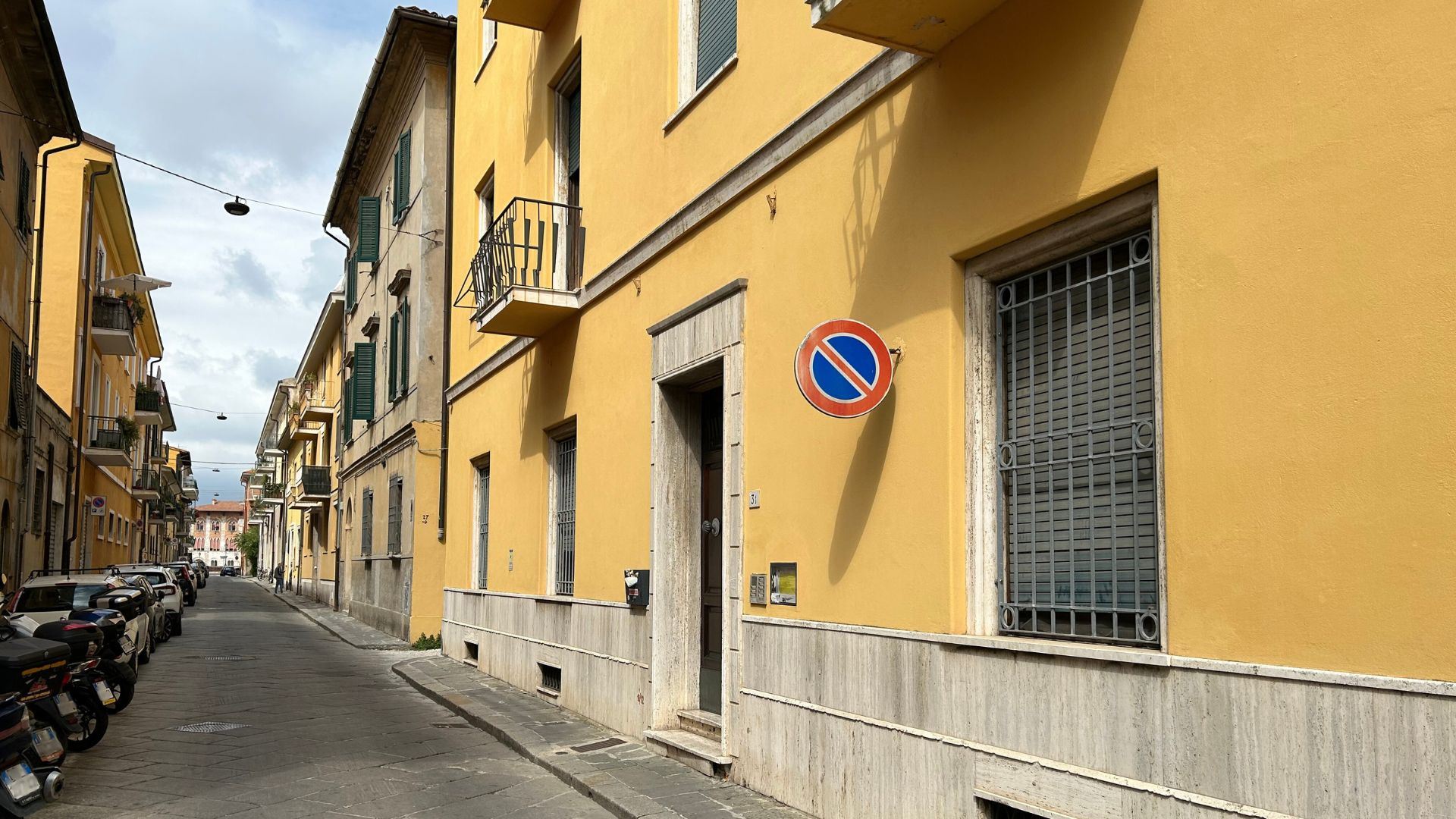
No Parking – blue circles with a red border and a red diagonal slash through the centre.
No Stopping – blue with a red border and have an X (instead of a single slash)
Parking – solid blue square with a big white capital ‘P’
Speed surveillance area – square with a policeman with one handless arm extended
Autostrada (toll road) - green sign
Superstrada (main road – no tolls) - blue sign
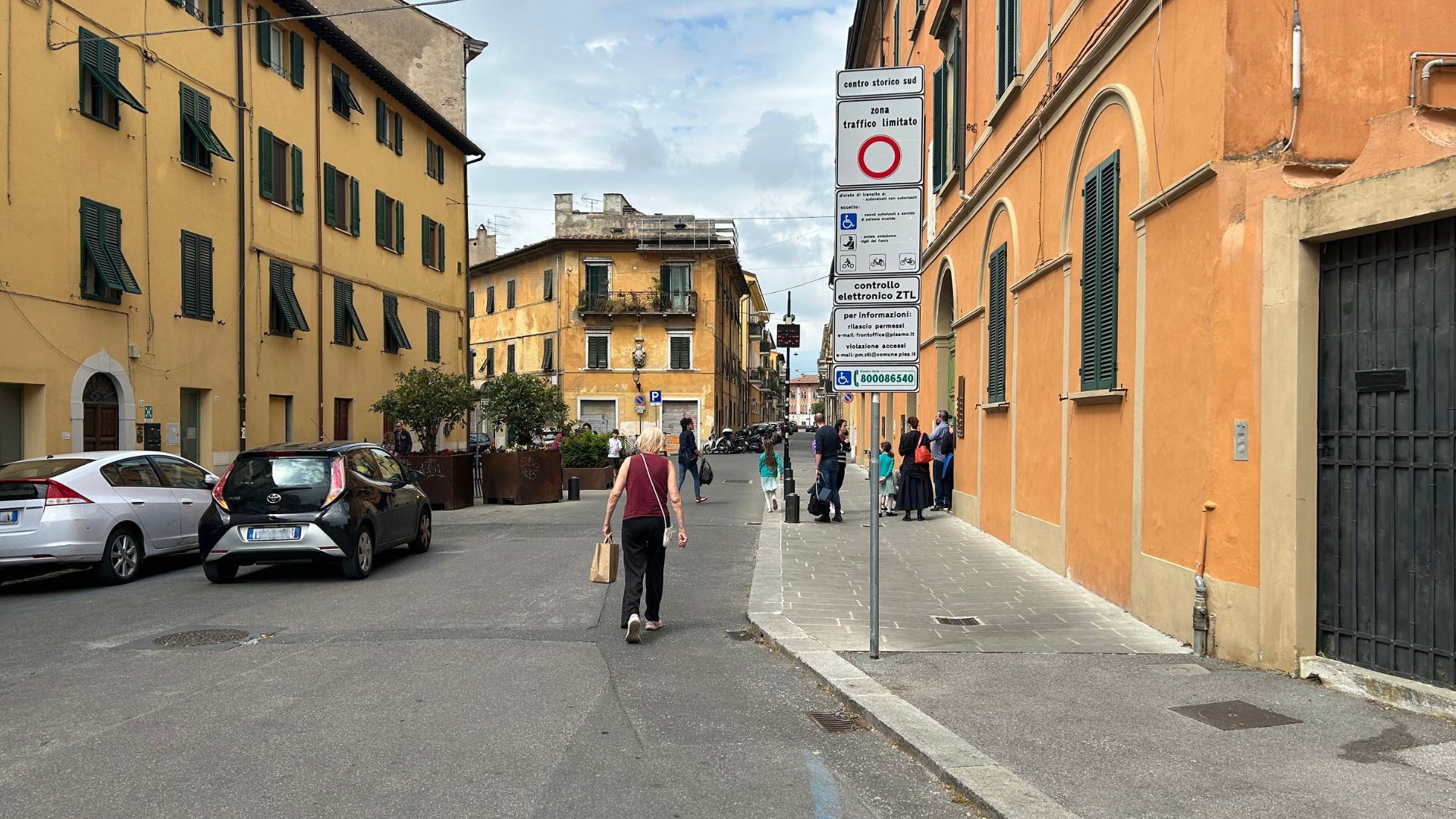
Restricted Traffic Zones (ZTLs) - signs which say the words ‘Zona Traffico Limitato’ with a red circle below.
What is the ZTL system in Tuscany?
Most of Italy’s historic centres have Restricted Traffic Zones (ZTL or Zona Traffico Limitato) where non-resident vehicles are prohibited from entering. These zones aim to reduce pollution and damage to streets and buildings, with many being UNESCO sites, and create a better environment for pedestrians visiting the town.
Unlike other European eco-friendly zones, you cannot purchase a low-emissions permit for these areas. When entering these historic city centres, a photograph is taken of your number plate to check if you are allowed to enter. If your number plate is not registered with the traffic police, you will receive a fine of approximately €80.
If you are driving a hire car, the rental company will receive the fine and charge it (often with an admin fee) to your credit card. If you are driving your own vehicle, the fine will be sent to your home.
Most towns and cities across Tuscany have ZTLs. Therefore, we advise you to find suitable parking outside the city or town and walk in.
It can often be hard to determine where vehicles are allowed and where restricted zones start, so ensure you look for signs indicating where ZTLs begin.
Parking in Tuscany
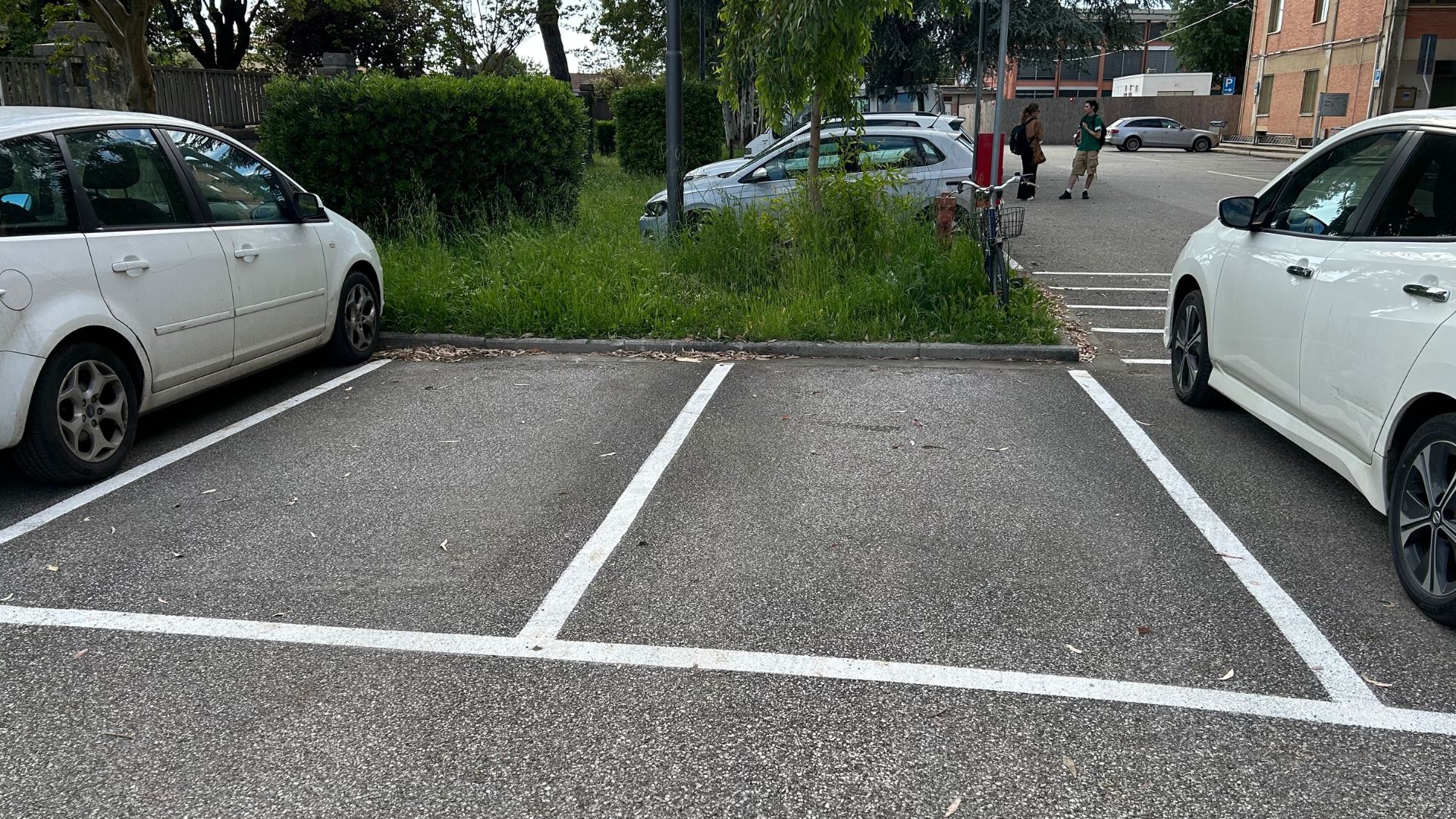
White spaces: free parking
Blue: paid parking
Yellow: reserved for disabled permits, taxis or official vehicles
Pink spaces: for expectant mothers or mothers travelling with an infant
Disability parking
Driving in a different country can be daunting, let alone when driving with an accessible car in a country which has narrow, winding roads and towns and villages often not as accessible as at home.
When parking in different locations across the region you are going to want to make sure that your vehicle is clearly marked when parking in the yellow marked disabled spots. You can obtain a translation of the blue badge from the Motability website. However, if you display disabled stickers on both the front and back of the car this should allow you to use your UK blue badge.
Paula, one of our villa specialists, who has travelled with a Motability car in Tuscany has given some great insights to make things easier.
. At Empoli station (30km southwest of Florence), it is possible to park in a disabled space outside the main car park, which means you do not have to pay.
. When using the Pisa Mover to get into Pisa, push the help button to speak to the attendant. They will guide you on where to pay and provide a free ticket for the wheelchair user. Additionally, you will not need to pay for the car park upon your return by calling a provided number.
This approach is recommended instead of applying for a permit to enter the city, which must be done 48 hours in advance and cannot be pre-planned from the UK.
. In Montecatini, you can park in a side street in a disabled space and use the blue badge.
. In Lucca, there are no concessions in the car park outside the city walls, and standard parking fees apply.
It should be noted that we are not experts, and you should always make sure to check all local travel details before your journey.
Street cleaning
If you intend on parking your car on the street overnight, make sure to check local signs indicating when street cleaning will be carried out. Vehicles left on the street when cleaning is scheduled to take place will be towed away.
Speed limits
Typically speed limits are:
Urban areas: 50km/h (31mph)
State roads: 90km/h (56mph)
Motorways: 130km/h (81mph)
If you are caught speeding, a fine can still be sent back to your home country or even lead to points on your license.
Petrol
Whilst in Tuscany, you are bound to need to fill up whilst driving around. Here is some information about Italian petrol stations and how they work.
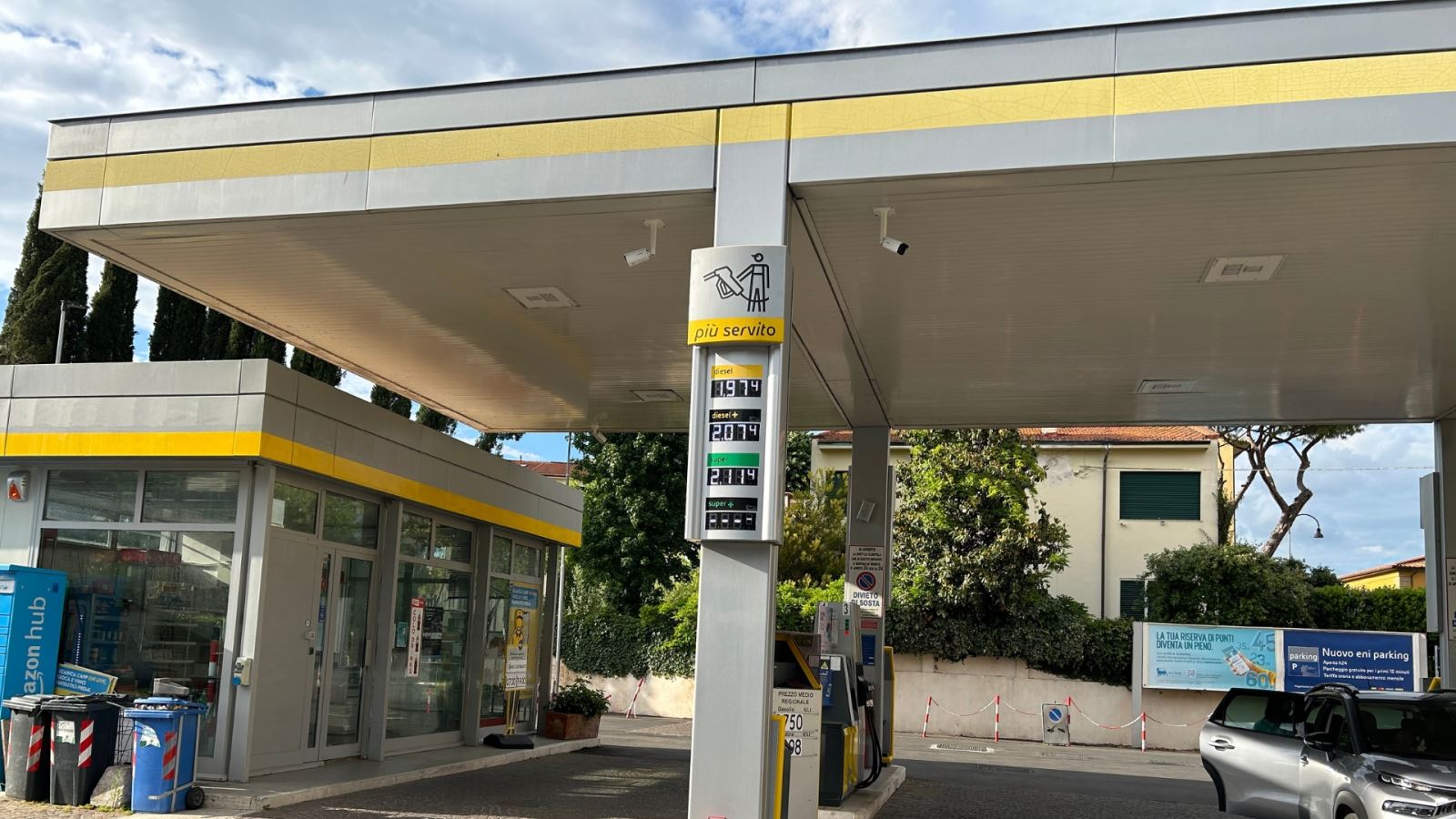
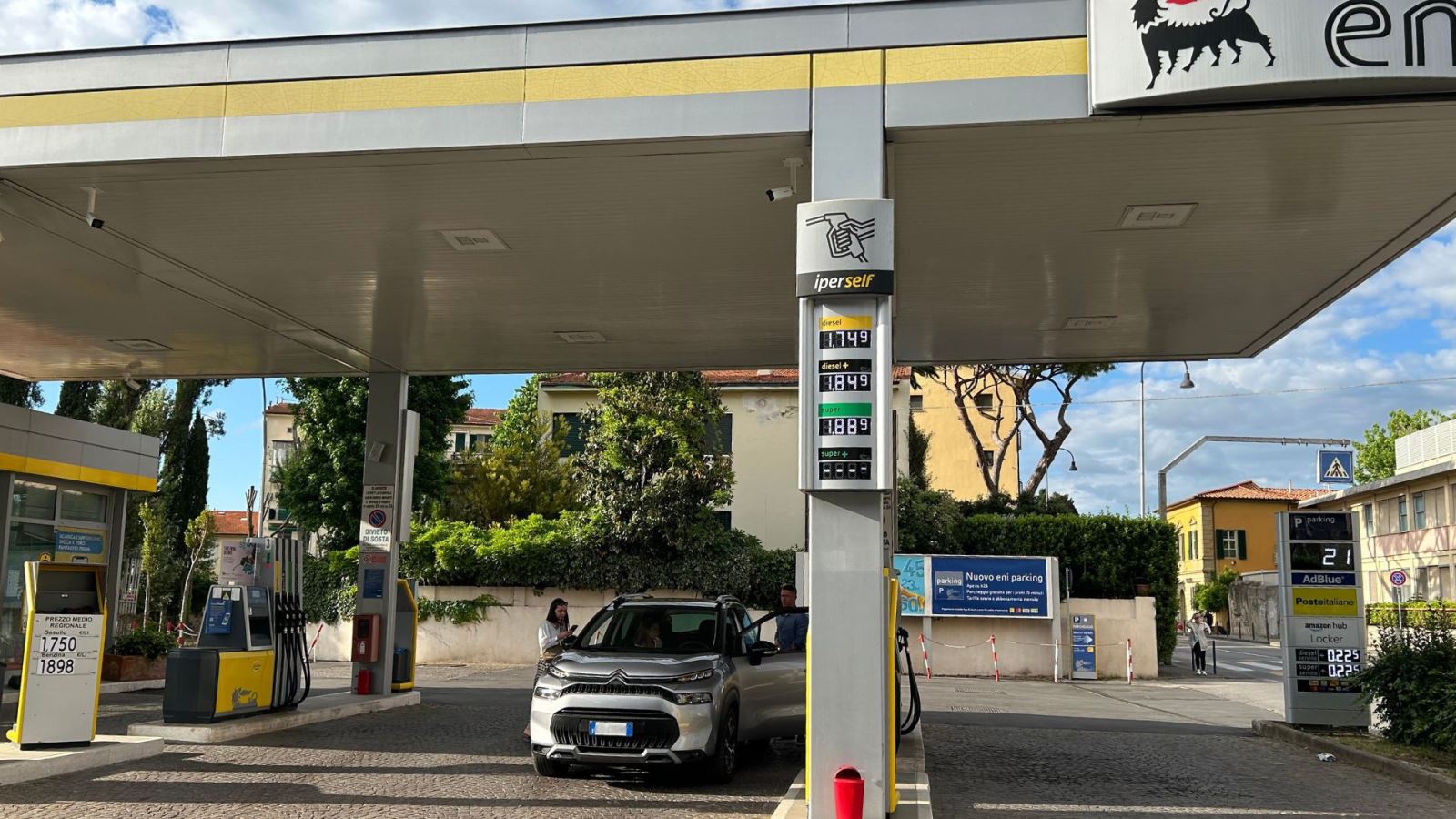
When pulling up to most petrol station, you can choose if you want to fill your own vehicle or have someone else fill it for you. It is common for most stations to have an attendee who can fill your vehicle for you and is who you will make payment at the end, which is usually more expensive than self-service.
Alternatively, there is the option for self-service. If visiting during open hours (staffed hours), you can fill your vehicle and pay at the cashier's desk. However, if you're arriving during closed hours (typically evening or early morning when the station is unstaffed), then you will need to pay before you pump. Most stations take cards, or you can pay by cash. Once you have paid, you can then fill up and drive away.
It should be clearly displayed if the pump is served or self-served with signs above the pumps.
Tips from our team
“Driving around Tuscany by car is not a challenge at all. Outside the centres of large cities, driving is pleasant and easy, and speed limits are respected. When planning to visit the most popular places, such as Florence, Siena or San Gimignano, we recommend choosing a larger parking lot further from the centre. Searching for a free space, especially when a group travels in two or three vehicles, can be troublesome.” ~ Miko, Villa Specialist
“Driving from the UK was quite straight forward but made easier by the fact that there was always two of us in the front to help with driving on the other side of the road and paying for tolls. Always have a good amount of change (if possible) for the tolls. You can pay by credit card, but it is more complicated, and we found it easier to have a bag of change always readily available.” ~ Paula, Villa Specialist
Emergency contacts
In case of emergency call 112
Key vocabulary to keep in mind when driving in Italy
Casello: toll booth,
Telepass: Electronic toll collection system
Area di servizio: Service area (Tangenziale: bypass)
Sinistra: left
Destra: right
Dritto: straight ahead
Uscita: exit
Senso unico: one way
Noleggio auto: car rental
Benzina: this is petrol (UK) or gas (US), not to be confused with diesel at the pump
Senza piombo or benzina verde: unleaded or green petrol
Gasolio: diesel
Il pieno, per favore: fill it, please
Zona Traffico Limitato (ZTL): restricted drive zone reserved for cars with permission
Zona Pedonale: Pedestrian streets or streets reserved for pedestrians.